What to Do When Your Well Pump Stops Working (2026 Guide)
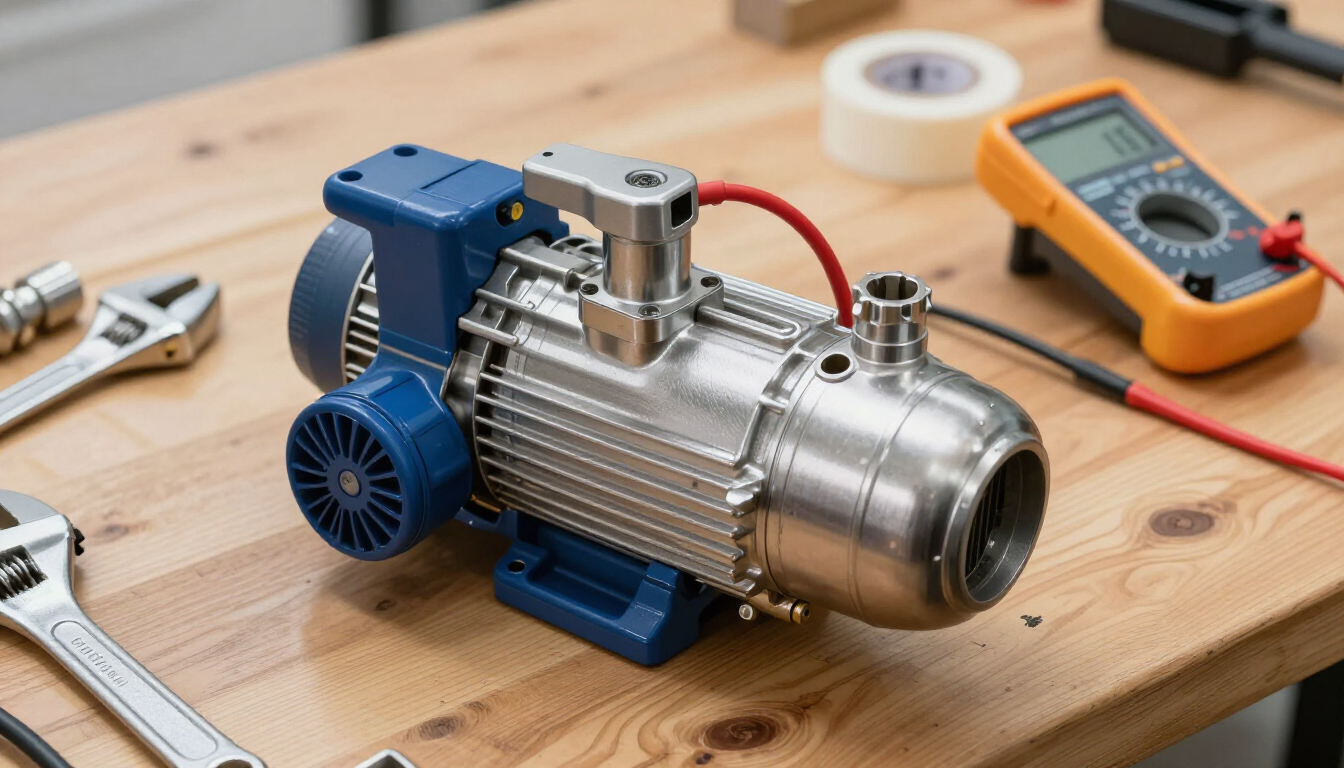
If your well pump stops working, check your circuit breaker first to ensure power is reaching the system. If power is on but you have no water pressure, shut off the pump's power immediately to prevent motor burnout and contact a professional for emergency plumbing services to diagnose the issue.
What should I do if my well pump stops working?
Discovering that your faucets have gone dry is a significant emergency for homeowners in Western Maine and Eastern New Hampshire. Because most residents in towns like Lovell, ME and North Conway, NH rely on private wells rather than municipal water, a pump failure means no water for drinking, sanitation, or heating systems that require water intake. The first step is to stay calm and perform a basic check of your electrical panel. Sometimes, a power surge or a brief flicker during a storm can trip the breaker dedicated to your well pump. If the breaker is tripped, flip it back on once. However, if it trips again immediately, do not force it; this indicates a short circuit or a seized motor that requires professional well pump repair .
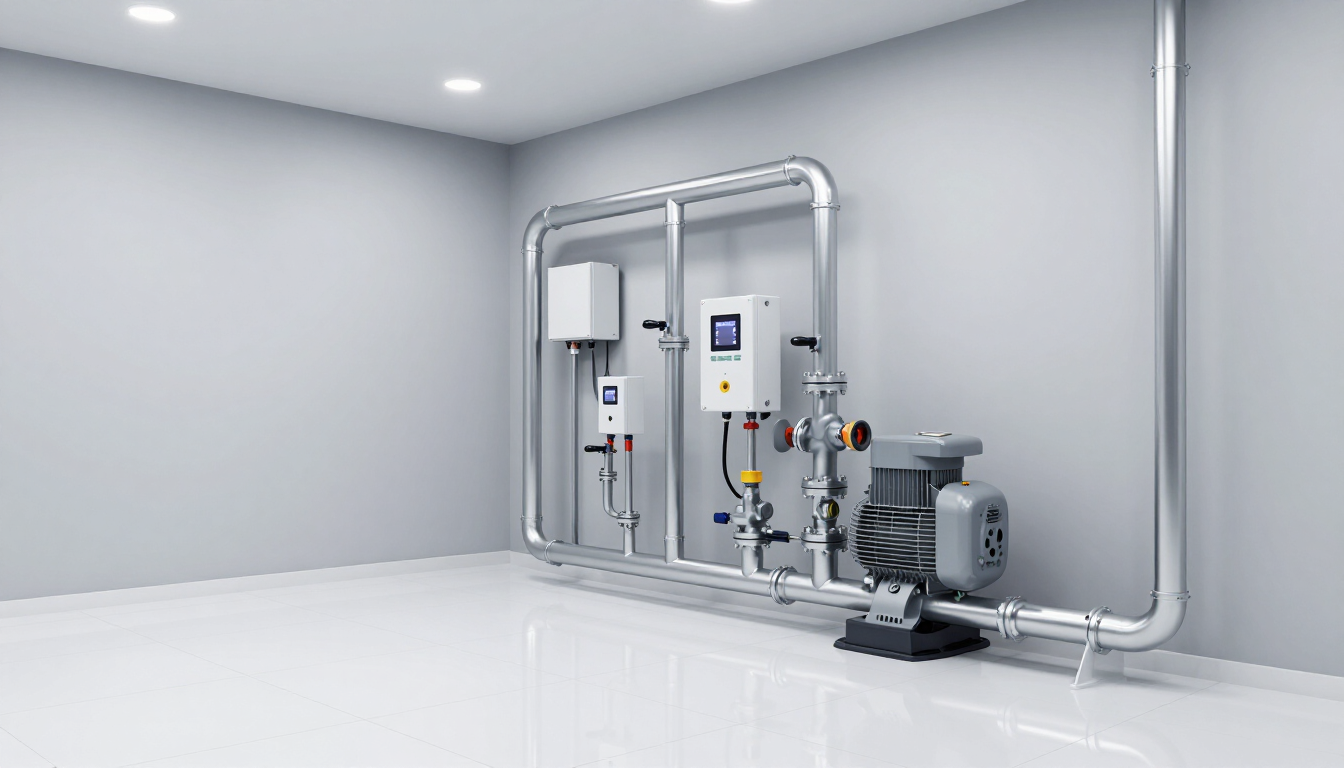
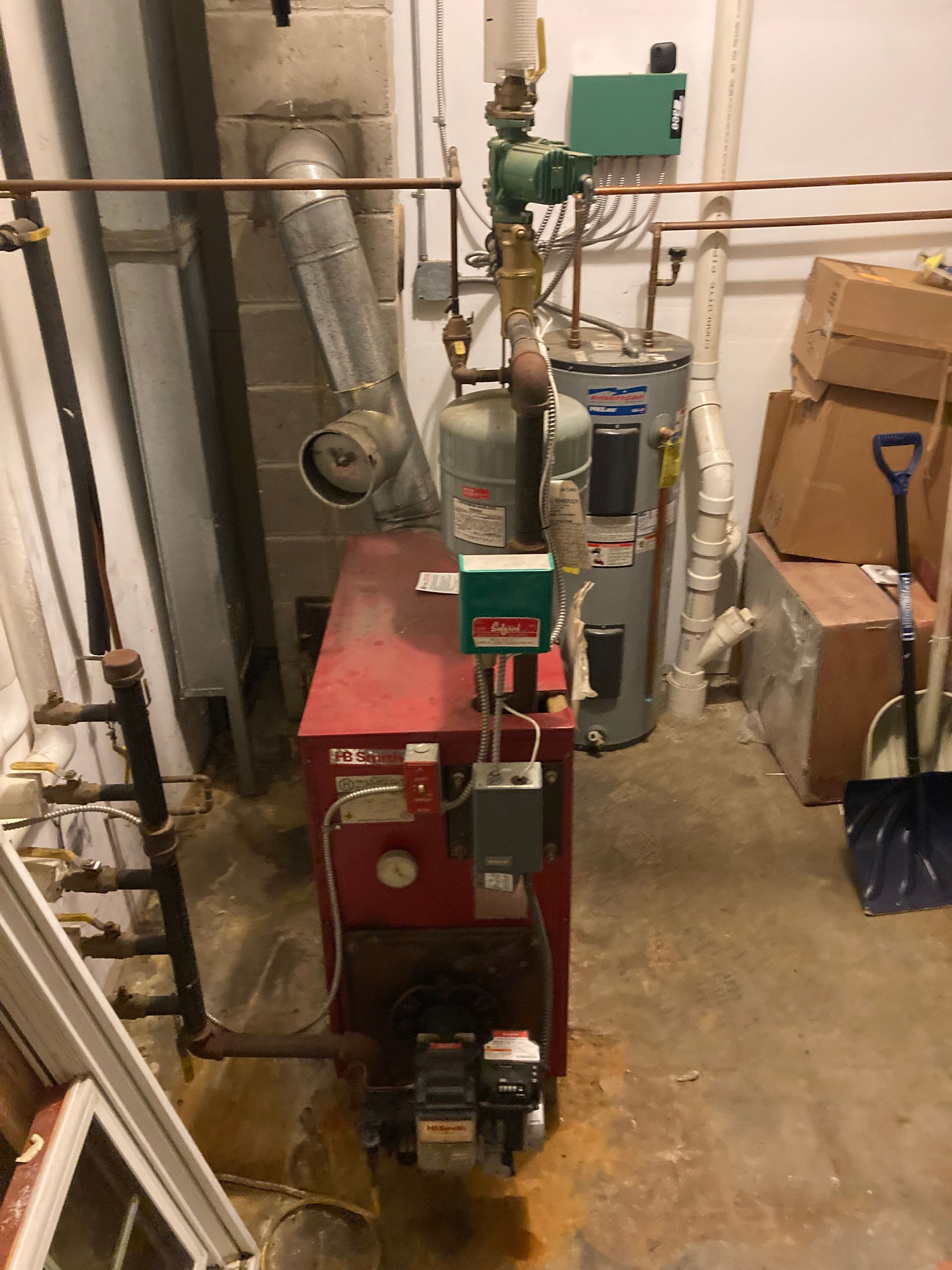
If the electrical system appears functional, check your pressure tank. Most well systems utilize a tank in the basement or utility closet that stores pressurized water. If the gauge on the tank reads zero, the pump is not delivering water to the vessel. At this stage, you should look for any obvious leaks around the tank or the pressure switch. In our region, temperature fluctuations can sometimes cause components to fail or pipes to freeze if they are in poorly insulated areas. If you cannot identify a simple power issue, the problem likely lies deep underground with the submersible pump or within the complex electrical components of the pressure switch. This is the moment to call for professional Water Pump Services to avoid further damage to your home’s infrastructure.
Common Signs of Well Pump Failure
Identifying a failing well pump before it completely stops working can save you from a late-night emergency call. While a total loss of water is the most obvious sign, there are several subtle warnings that your system is struggling. Monitoring these signs is essential for homeowners in rural areas where service response times might vary depending on weather conditions. Pay close attention to how your plumbing behaves during peak usage times, such as when running the dishwasher or taking a shower.
Typical indicators of a failing system include:
- No Water Pressure: A complete lack of flow when you turn on the tap.
- Sputtering Faucets: Also known as "spitting" air, which suggests a leak in the drop pipe or a failing pump.
- Pump Running Constantly: If you hear your pump cycling or running without stopping, it is struggling to reach the cutoff pressure.
- Cloudy or Silty Water: This could indicate the pump is positioned too low in the well or the well screen is failing.
- High Electric Bills: A pump that runs constantly or works harder due to internal wear will consume significantly more energy.
Why is my faucet sputtering or spitting air?
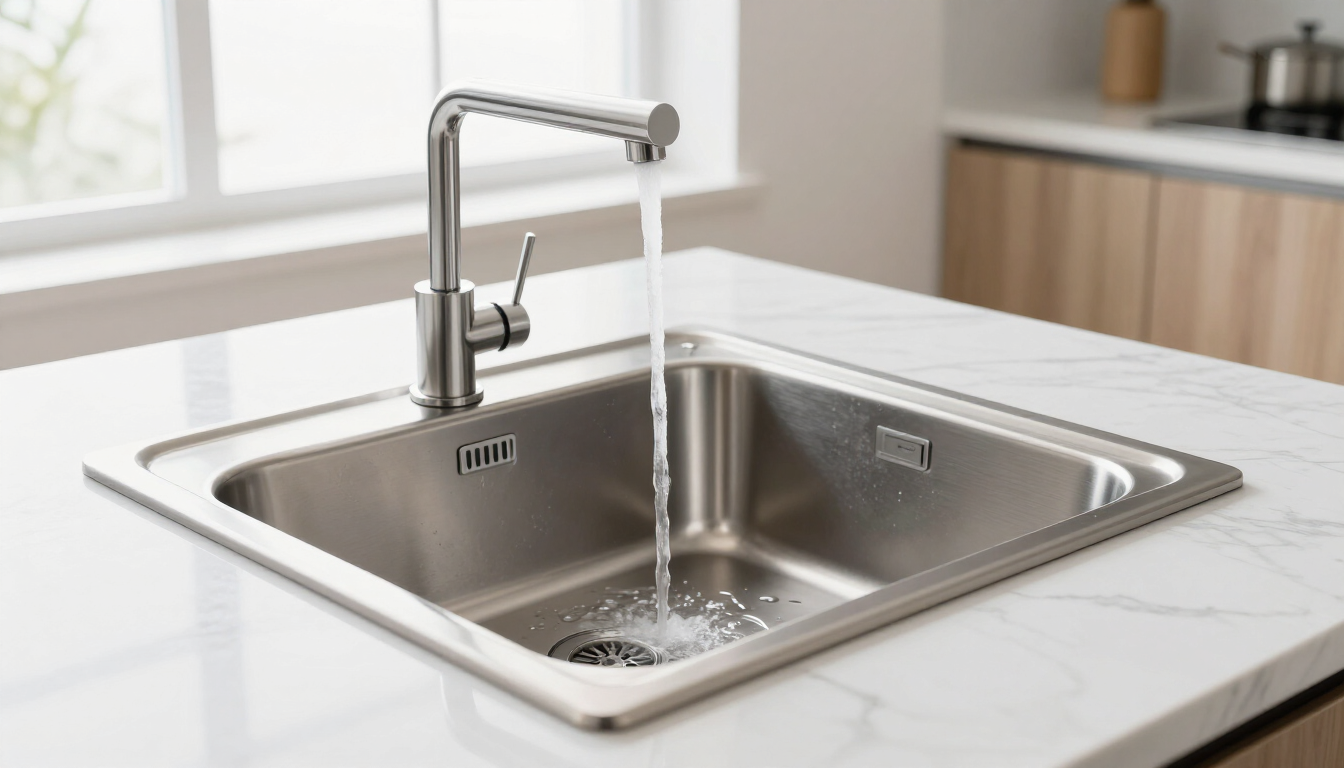
When a faucet sputters, it is a clear sign that air has entered a system that should be entirely closed and pressurized. For residents in Brownfield, ME and surrounding areas, this is often the first warning of a significant well issue. Air can enter the plumbing lines in a few different ways. One common cause is a leak in the drop pipe—the pipe that connects the submersible pump at the bottom of the well to the surface. If this pipe develops a crack or a hole, air can be sucked in, or water can drain back into the well, allowing air to fill the void. When the pump starts again, it pushes that air through the pipes and out of your kitchen or bathroom faucets.
Another possibility is that the water table has dropped, causing the pump to occasionally pull in air along with water. This is more common during dry summer months or in wells that are not deep enough to account for seasonal variations. Additionally, a failing pressure tank can cause air to enter the lines. Most modern tanks have a bladder that separates the water from the compressed air. If this bladder ruptures, the air from the tank can escape into the plumbing system. Regardless of the cause, sputtering is not just an annoyance; it causes "water hammer," which can damage joints and lead to a burst pipe . If you notice this, it is time to schedule a diagnostic visit with a technician specializing in well pump repair .
Critical Warnings: Why You Should Not Cycle the Power
When the water stops, a common instinct for many homeowners is to repeatedly flip the breaker or unplug and replug the pump in hopes of "resetting" it. However, this is one of the most dangerous things you can do for your well system. If the well pump has stopped working because of a mechanical failure or a seized motor, continuing to send electricity to it will generate massive amounts of heat. Since the motor is cooled by the water surrounding it, a pump that is struggling to move water will quickly overheat. This can melt internal components, damage the electrical wiring leading down into the well, and turn a repairable issue into a mandatory well pump replacement .
Furthermore, if the issue is a faulty pressure switch, cycling the power manually can cause the switch to arc, potentially leading to a fire hazard in your utility room. The pressure switch is a sensitive calibration tool that tells the pump when to start and stop based on the pressure in your tank. If the switch is "stuck," it may be trying to tell the pump to run even when it shouldn't. By forcing power to the system, you bypass the safety mechanisms designed to protect your plumbing. If the pump doesn't start after one single reset of the breaker, leave the power off. Protecting the integrity of the motor is your best chance at keeping repair costs low.
Is it better to repair or replace a well pump?
Deciding between a repair and a full replacement depends on the age of the unit, the nature of the failure, and the long-term reliability you need. Most submersible well pumps have a lifespan of 10 to 15 years. If your pump is only a few years old and the issue is a failed pressure switch or a broken wire at the surface, a repair is almost always the better financial choice. These components are relatively inexpensive to replace and can get your water flowing again in a matter of hours. Our team at First Choice Plumbing specializes in identifying these minor fixes to save you the expense of a full pull-and-replace operation.
However, if the pump motor itself has burned out or if the pump is over a decade old, a well pump replacement is usually the more cost-effective long-term solution. Pulling a pump from a deep well is a labor-intensive process that requires specialized equipment. If you spend the money on the labor to pull an old pump for a minor repair, you run the risk of another component failing just months later. Replacing the entire unit ensures you have a fresh warranty and a high-efficiency motor that will provide reliable water pressure for another decade. We serve the entire region, including Conway, NH , providing transparent assessments of whether your system is a candidate for a quick fix or if it’s time for an upgrade.
Quick Response for Well Emergencies in Maine and NH
At First Choice Plumbing and Heat Pump, we understand that losing water isn't just an inconvenience—it’s a crisis. Whether you are in Fryeburg, Denmark, ME , or Jackson, NH , our team is structured to respond rapidly to well emergencies. We carry a wide variety of common pressure switches, gauges, and control boxes on our service trucks, allowing us to complete many repairs on the very first visit. Our local expertise is particularly valuable because we understand the specific challenges of our geography, from high mineral content that can clog switches to the deep well depths required in the foothills of the White Mountains.
We pride ourselves on our transparent pricing and code-compliant work. When we arrive at your home, we perform a comprehensive diagnostic check of the entire water delivery system, not just the pump. This includes checking the air charge in your pressure tank and ensuring your electrical connections are safe and up to the Maine State Plumbing Code. We are part of the local community, and our goal is to provide long-term solutions that keep your home running smoothly. If your well pump has stopped working or is showing signs of struggle, don't wait for a total failure. Reach out for expert assistance and regain the peace of mind that comes with a reliable water supply.
Summary of Next Steps for Well Pump Issues
When your well pump fails, taking the right steps immediately can prevent further damage and speed up the restoration of your water service. Keep this checklist in mind for any future issues:
- Verify Power: Check the breaker once, but do not repeatedly cycle it if it trips again.
- Shut Off Power: If you have no water but the breaker is on, turn the system off to protect the motor.
- Check for Leaks: Inspect the area around your pressure tank for any visible water or dampness.
- Call a Professional: Contact a licensed plumber for emergency plumbing services to avoid DIY mistakes.
- Consider Age: If your pump is over 12 years old, prepare for the possibility of a replacement.
Following these steps ensures your safety and protects your home’s plumbing system from avoidable damage. For homeowners in western Maine and eastern New Hampshire, professional help is just a phone call away.