
5 Ways to Fix Spring Thaw Drainage Issues in 2026
Spring thaw drainage issues occur when melting snow and ice overwhelm your home's gutters, downspouts, and yard drainage, often leading to basement flooding or sewer backups. Ensuring clear paths for water runoff is essential to protect your foundation and plumbing during this transition from winter to spring.
Why does spring thaw cause drainage issues in Fryeburg?
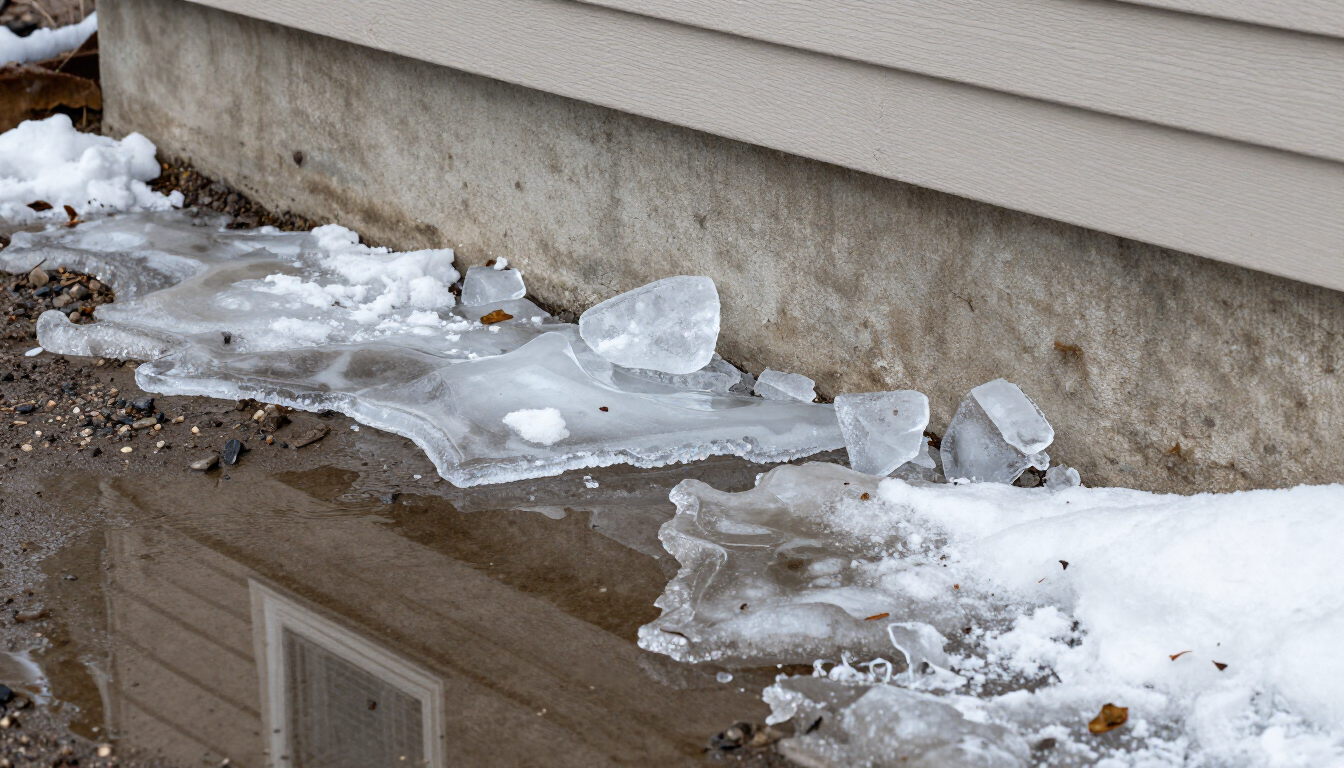
As the snowpack melts in the Fryeburg area, several factors contribute to a sudden influx of water that your plumbing system might not be prepared for. First, the ground remains frozen while the surface snow melts. This means the soil cannot absorb the water, forcing it to run off toward the lowest points of your property, which is often your basement or foundation.
Additionally, ice dams in gutters can prevent meltwater from escaping the roof correctly, causing it to pool and seep into the walls or attic. If your exterior drains are clogged with debris from the fall, they won't be able to channel this surge of water away. This is particularly critical for homes in our area that rely on Underground Plumbing to manage storm runoff.
How can you prevent water damage during the thaw?
Prevention is the most cost-effective way to handle the spring transition. By taking proactive steps before the temperature stays consistently above freezing, you can protect your home from expensive repairs.
- Clear your gutters and downspouts: Remove any remaining leaves or ice blocks to ensure water flows freely away from your house.
- Inspect your sump pump: Test it by pouring a bucket of water into the pit to ensure it activates and pumps water away.
- Clear snow from your foundation: Shovel snow at least 3 to 5 feet away from your home's base to reduce the volume of meltwater soaking into the ground near the walls.
- Check basement drains: Ensure your floor drains aren't blocked by storage items or dust bunnies.
- Extend downspouts: Use extensions to direct water at least 6 to 10 feet away from the foundation.
If you find that water is already pooling where it shouldn't, you may need Emergency Plumbing Services to prevent a full-scale flood. Quick action during the early thaw can save thousands in restoration costs.
What are the signs of a blocked sewer line during spring?
Spring thaw drainage issues aren't just about surface water; they also affect your waste lines. Excess ground moisture can seep into older sewer pipes through small cracks, a process known as infiltration. This adds volume to your sewer line that it wasn't designed to carry. Look out for these warning signs:
- Multiple drains backing up simultaneously (e.g., the toilet and the shower).
- Gurgling sounds coming from your drains when you flush the toilet.
- Raw sewage odors inside your home or near outdoor cleanouts.
- Toilets that bubble when you run water in the sink.
Professional Drainage Maintenance Strategies
When standard DIY methods aren't enough, professional intervention is necessary to ensure your home remains compliant with the Maine State Plumbing Code. At First Choice Plumbing and Heat Pump, we use advanced tools to clear even the most stubborn blockages.
Professional Drain Cleaning often involves high-pressure hydro-jetting, which uses water to blast through ice and debris, or motorized snaking to clear root intrusions that have become active with the warming soil. If the thaw has revealed a more serious issue, such as a collapsed pipe due to shifting frozen ground, we can provide expert Sewer Line Repair to restore your system quickly.
How do you handle frozen pipes during a late spring freeze?
In Maine, the weather is rarely predictable. A warm week of thawing is often followed by a sudden deep freeze. If your pipes were already compromised by the thaw, they are at a higher risk of becoming a Burst Pipe when the temperature drops again. Keeping a slow drip in your faucets during these