Well Pump Repair vs Replacement
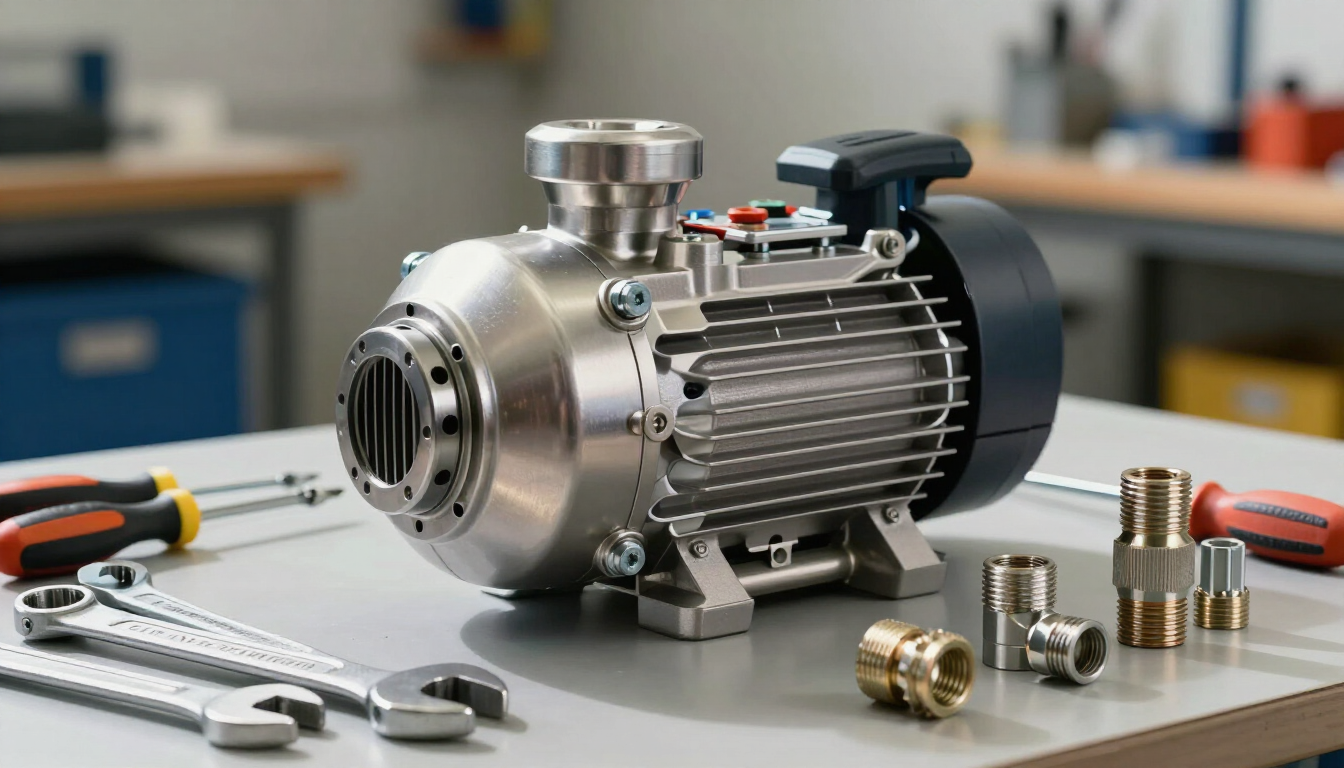
Deciding between well pump repair and replacement depends on the pump's age, repair history, and cost of service. If your pump is over 15 years old or repairs exceed 50% of a new unit's cost, replacement is recommended. Frequent cycling and motor burnout are common indicators for a full replacement.
What are the signs of a failing well pump?
Living in rural Western Maine means your well pump is the heartbeat of your home. When it starts to fail, the symptoms can range from subtle annoyances to a total loss of water. Recognizing these signs early can be the difference between a scheduled well pump repair and an emergency situation in the middle of a winter storm. Homeowners in Oxford County often report several key warning signs that suggest their system is struggling.
First, inconsistent water pressure is a major red flag. If you notice the shower pressure dropping when someone flushes a toilet or turns on a faucet elsewhere, the pump may no longer be able to maintain the necessary head pressure. Second, listen for unusual noises coming from your basement or the well itself. A grinding or clicking sound often indicates mechanical wear within the motor or the internal components of the pump. Third, pay attention to your electricity bill. A pump that is struggling or constantly cycling on and off will consume significantly more power than a healthy unit.
- Spitting Faucets: This often means air is getting into the system, possibly from a crack in the pipe or a failing pump seal.
- Dirty Water: If your water suddenly becomes cloudy or silty, the pump might be sitting too low or the well screen could be failing.
- Constant Running: If you hear the pump running even when no water is being used, you likely have a pressure switch issue or a leak.
- Tripped Breakers: A pump that frequently trips the circuit breaker is usually experiencing an electrical short or motor burnout.
- No Water at All: The most obvious sign, usually indicating a total power failure, a broken shaft, or a dead motor.
Is it cheaper to repair or replace a well pump?
The financial decision between repairing and replacing a well pump often comes down to the "50% Rule." If the cost of the repair exceeds 50% of the price of a brand-new installation, replacement is almost always the wiser long-term investment. While a simple capacitor or pressure switch replacement might only cost a few hundred dollars, pulling a submersible pump from a 300-foot well requires specialized equipment and labor. If the pump itself is aging, the labor costs of pulling it twice—once to fix a minor part and again six months later when the motor fails—quickly exceed the cost of a new unit.
Furthermore, modern well pumps are significantly more energy-efficient than those manufactured twenty years ago. In rural Maine, where utility costs can be high, the energy savings from a new high-efficiency pump can help offset the initial installation price over several years. We often advise homeowners that if the pump is nearing the end of its expected lifespan, well pump replacement provides peace of mind that a repair simply cannot match, especially during the harsh Maine winters when outdoor repairs are significantly more difficult and expensive.
Common Causes of Well Pump Failure in Maine
Maine's unique geography and climate play a significant role in the longevity of well water systems. From the granite-rich soil of the White Mountains to the high mineral content found in Oxford County aquifers, your well pump faces challenges that suburban systems do not. Sediment and mineral buildup are leading causes of premature pump failure in our region. Hard water minerals like calcium and magnesium can create scale on the internal moving parts, causing friction and eventual motor seizure. Additionally, fine sand or silt can act like sandpaper, wearing down the impellers of a submersible pump until it can no longer generate sufficient pressure.
Environmental factors like lightning strikes and power surges are also common in rural areas. Because well pumps are connected to the electrical grid but submerged in water or grounded in the earth, they are particularly susceptible to electrical damage. A nearby lightning strike can fry the motor windings instantly. In the winter, the risk of frozen pipes can also impact the pump. If the line between the well and the house freezes, the pump may continue to run against a closed head, leading to overheating and mechanical failure. Ensuring your system is properly insulated and that the pitless adapter is below the frost line is essential for Maine homeowners.
How long does a well pump typically last?
The lifespan of a well pump varies based on the type of pump and the quality of the water it is moving. Generally, you can expect the following durations for your equipment:
- Submersible Pumps: These are located deep inside the well and typically last between 12 and 15 years. High-quality models can sometimes reach 20 years with clean water.
- Jet Pumps: Located above ground, these usually have a shorter lifespan of 8 to 12 years because they have to work harder to "pull" water rather than "push" it.
- Pressure Tanks: While not the pump itself, the tank usually lasts 10 to 15 years. A failing tank is the number one cause of pump burnout.
- Pressure Switches: These small electrical components usually last 5 to 7 years and are a common, inexpensive repair item.
- Check Valves: These typically last 10 years but can fail earlier if the water has high sediment levels.
If your system was installed when the house was built and you are approaching the 15-year mark, you are in the "danger zone" for failure. Regular water pump services can help identify if your pump is drawing too much amperage or if the pressure tank has lost its pre-charge, both of which shorten the pump's life significantly. Monitoring these metrics allows you to plan for a replacement rather than reacting to a flood or a dry tap.
Steps for Professional Well Pump Replacement
When a repair is no longer viable, the replacement process must be handled by licensed professionals to ensure compliance with the Maine State Plumbing Code. The process begins with a comprehensive diagnostic to confirm the pump is indeed the failure point. Sometimes, an electrical issue at the control box or a broken wire in the well casing is the culprit, which would make replacing the pump unnecessary. Once confirmed, the power is disconnected, and the well cap is removed. For submersible pumps, a specialized pump hoist or pipe puller is used to lift the heavy assembly, which includes the pump, the drop pipe, and the electrical wiring, out of the casing.
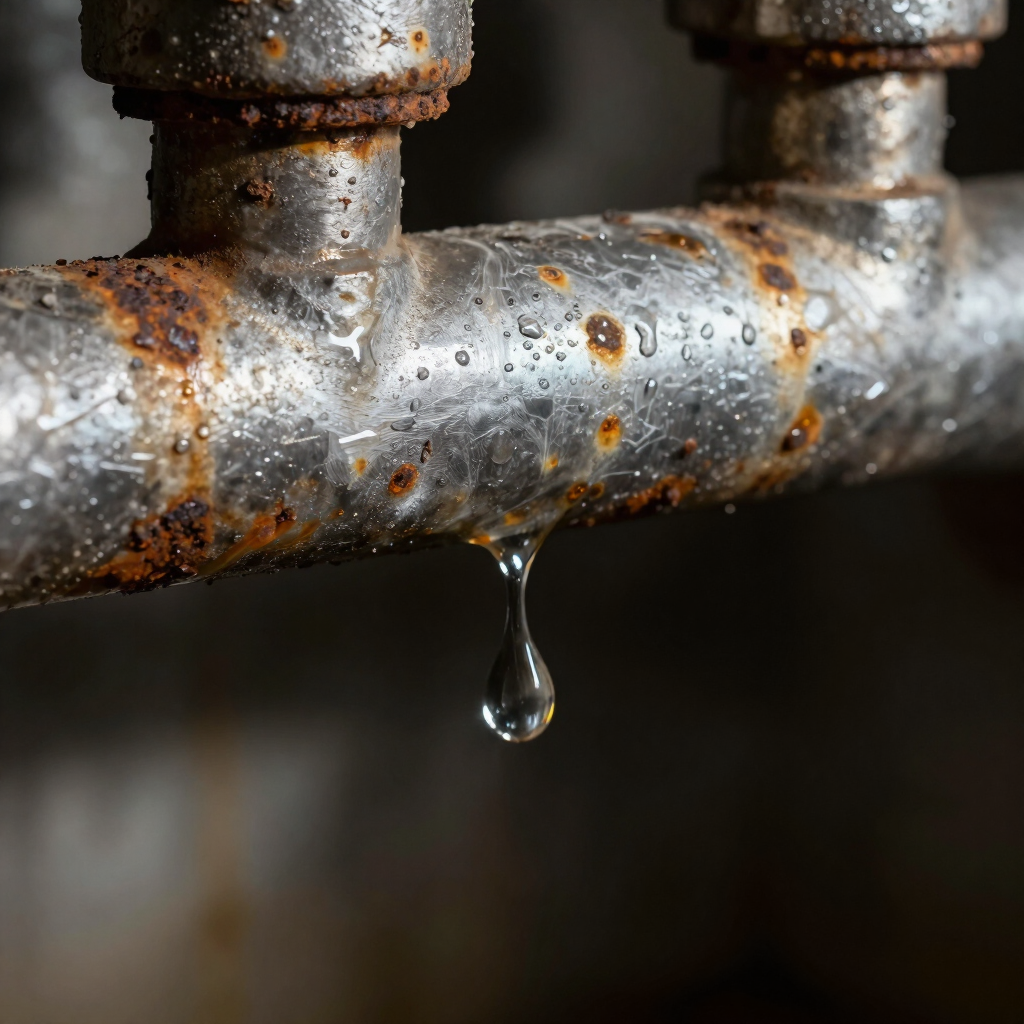
Once the old unit is on the surface, the technician inspects the drop pipe for signs of corrosion or leaks. In many older Maine homes, galvanized steel pipes are replaced with high-density polyethylene (HDPE) or PVC to prevent future rust issues. The new pump is then attached, the wiring is waterproofed with heat-shrink kits, and the entire assembly is lowered back into the well. After installation, the system must be disinfected with a chlorine solution to kill any bacteria introduced during the process. Finally, the pressure switch is calibrated to the pressure tank, ensuring the system starts and stops at the correct intervals for optimal performance and longevity.
Can I troubleshoot my own well pump issues?
While many plumbing tasks are suitable for a DIY enthusiast, well pumps involve a dangerous combination of high-voltage electricity and pressurized water. However, there are a few safe steps a homeowner can take before calling for emergency plumbing services . First, check your electrical panel. Well pumps often run on a dedicated double-pole breaker. If it has tripped, try resetting it once. If it trips again immediately, do not try a third time, as this indicates a serious short circuit that could cause a fire. Second, check the pressure gauge on the tank in your basement. If it reads zero, the issue is likely electrical or the pump has failed mechanically.
Another simple check involves the pressure switch. Sometimes, insects like ants get trapped between the electrical contacts, preventing the switch from closing and starting the pump. With the power turned off, you can visually inspect the contacts for debris. Beyond these basic checks, troubleshooting becomes complex. Testing the start and run capacitors or checking the motor windings for continuity requires a multimeter and the knowledge to use it safely. In rural Maine, where help may be a long distance away, it is always safer to rely on local experts who understand the specific nuances of deep-well systems and the local geology.
Why Well Water Pressure Matters for Home Safety
In a rural household, water pressure is about more than just a comfortable shower; it is a vital component of home safety and sanitation. Modern appliances like dishwashers, washing machines, and tankless water heaters require a specific minimum pressure to operate correctly. If your well pump is failing and the pressure drops too low, these appliances may throw error codes or fail to clean properly, leading to hygiene concerns. Furthermore, consistent water pressure is essential for effective waste removal. Low pressure can lead to clogs in your drainage system, which might eventually require drain cleaning or more intensive repairs.
For those with water filtration or softening systems, the well pump is responsible for pushing water through various media tanks and membranes. If the pump cannot maintain sufficient flow, your water quality will degrade, potentially exposing your family to sediment or minerals that the filtration system would otherwise remove. In some cases, low pressure can even cause backflow issues, where contaminated water is drawn back into the clean water supply. Maintaining a healthy well pump is the first line of defense in ensuring that your home remains a safe and healthy environment for your family throughout the year.
Summary: Making the Right Choice for Your Home
Choosing between well pump repair and replacement is a decision that impacts your home's comfort and your wallet for years to come. In rural Maine, where we rely exclusively on our own water sources, ensuring your pump is reliable is paramount. To summarize the best path forward, consider these key takeaways:
- Age Matters: If your pump is over 12–15 years old, replacement is generally the most cost-effective long-term solution.
- The 50% Rule: Never spend more than half the cost of a new system on a repair for an aging unit.
- Watch the Tank: Many pump failures are actually caused by a waterlogged pressure tank. Have your tank checked annually.
- Professional Help: Always use a licensed plumber to ensure your system meets the Maine State Plumbing Code for safety and insurance compliance.
- Plan Ahead: Don't wait for a total failure. If you notice surging or odd noises, schedule an inspection now to avoid emergency costs.
If you are experiencing issues with your water system in Fryeburg or the surrounding Oxford County area, the team at First Choice Plumbing and Heat Pump is here to help. Whether you need a simple switch adjustment or a complete system overhaul, we provide transparent pricing and expert local knowledge. Contact us today to schedule a diagnostic visit and ensure your home's water continues to flow freely.