Prevent Frozen and Burst Pipes: Winter Guide 2026
To prevent frozen and burst pipes in Fryeburg and the White Mountains, you must insulate exposed plumbing, seal air leaks, and maintain consistent indoor heating. During extreme cold, let faucets drip and open cabinet doors to circulate warm air around pipes, effectively stopping ice blockages before they cause ruptures.
How do I prevent frozen and burst pipes in Fryeburg?
Living in the shadow of the White Mountains means dealing with some of the harshest winters in New England. When the temperature drops well below zero in Fryeburg, ME, or Conway, NH , your home’s plumbing is at significant risk. Preventing frozen and burst pipes starts with a proactive mindset. The goal is to keep the water inside your pipes from reaching the freezing point, as water expands when it turns to ice. This expansion creates immense pressure that even the strongest copper or PEX piping cannot always withstand.
By implementing a few seasonal habits, you can protect your property from the devastating water damage that follows a pipe failure. The first line of defense is always insulation. Any pipe located in an unheated area—such as a crawlspace, attic, or garage—needs to be wrapped in high-quality foam or fiberglass sleeves. Additionally, ensuring that your home's envelope is sealed against the biting winter wind will prevent localized "cold spots" where pipes are most vulnerable. Our team at First Choice Plumbing and Heat Pump recommends a full walkthrough of your basement and utility areas before the first frost hits to identify these high-risk zones.
Essential Outdoor Winterization Steps
Preparation for the Maine winter must begin outside. Many homeowners overlook their exterior spigots until it is too late. Because these pipes lead directly into the interior of your home, a freeze that starts at the outdoor faucet can quickly travel back through the line, causing a burst behind your drywall. Follow these steps to secure your home's exterior:
- Disconnect all garden hoses and drain them for storage.
- Shut off the interior water valve leading to the outdoor spigot.
- Open the outdoor faucet to allow any remaining water to drain out.
- Install insulated faucet covers (often called "socks") over the spigots.
- Clear debris from foundation vents to ensure they close tightly.
Why do pipes burst during New England winters?
It is a common misconception that the ice itself pushes through the pipe walls. In reality, a burst pipe usually happens because of the pressure buildup between the ice blockage and the closed faucet. When water freezes, it expands by about 9%. If that expansion happens in a confined space, the trapped water between the ice and the tap is compressed. Eventually, the pressure becomes too much for the pipe material to handle, and it splits.
In the White Mountains, we often see "flash freezes" where the temperature drops 30 degrees in a single evening. This rapid change is particularly dangerous for homes with older plumbing or inadequate insulation. In areas like Bartlett, NH , where homes are often tucked into mountain valleys, the wind chill can drive temperatures even lower than the local forecast suggests. Understanding this physical process helps homeowners realize why even a small amount of heat or a tiny bit of water movement (like a drip) can make such a massive difference in preventing a disaster.
What are the best ways to insulate indoor plumbing?
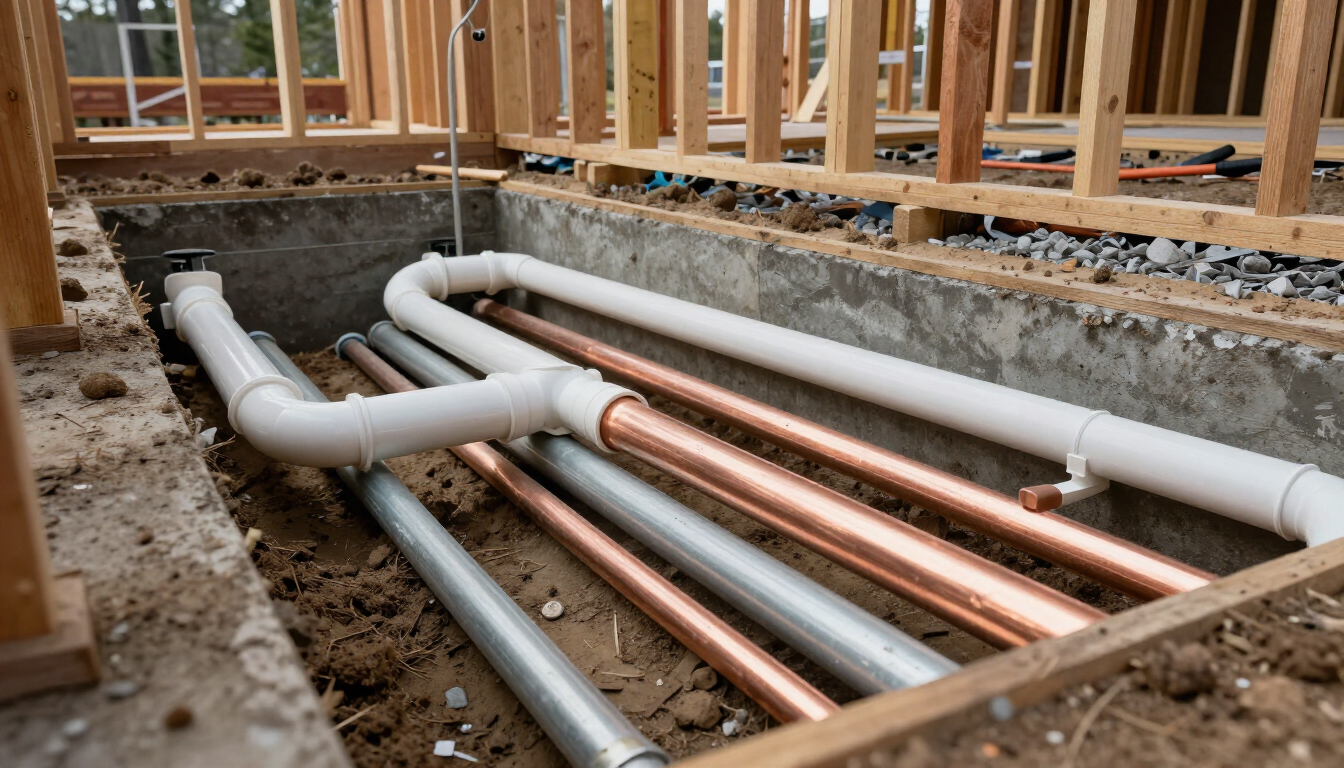
Inside the home, focus on pipes that run along exterior walls or through unheated spaces. You don't need a massive budget to make your plumbing winter-ready; most supplies are available at local hardware stores. Consider these effective insulation methods:
- Snap-on foam pipe insulation for straight runs of copper or PEX.
- Fiberglass batts for pipes in attics or large crawlspaces.
- Heating tape for extremely vulnerable pipes (use only UL-listed products).
- Spray foam for sealing gaps where pipes enter the home.
- Reflective foil wrap for pipes near drafty windows or doors.
Can a dripping faucet really stop a burst pipe?
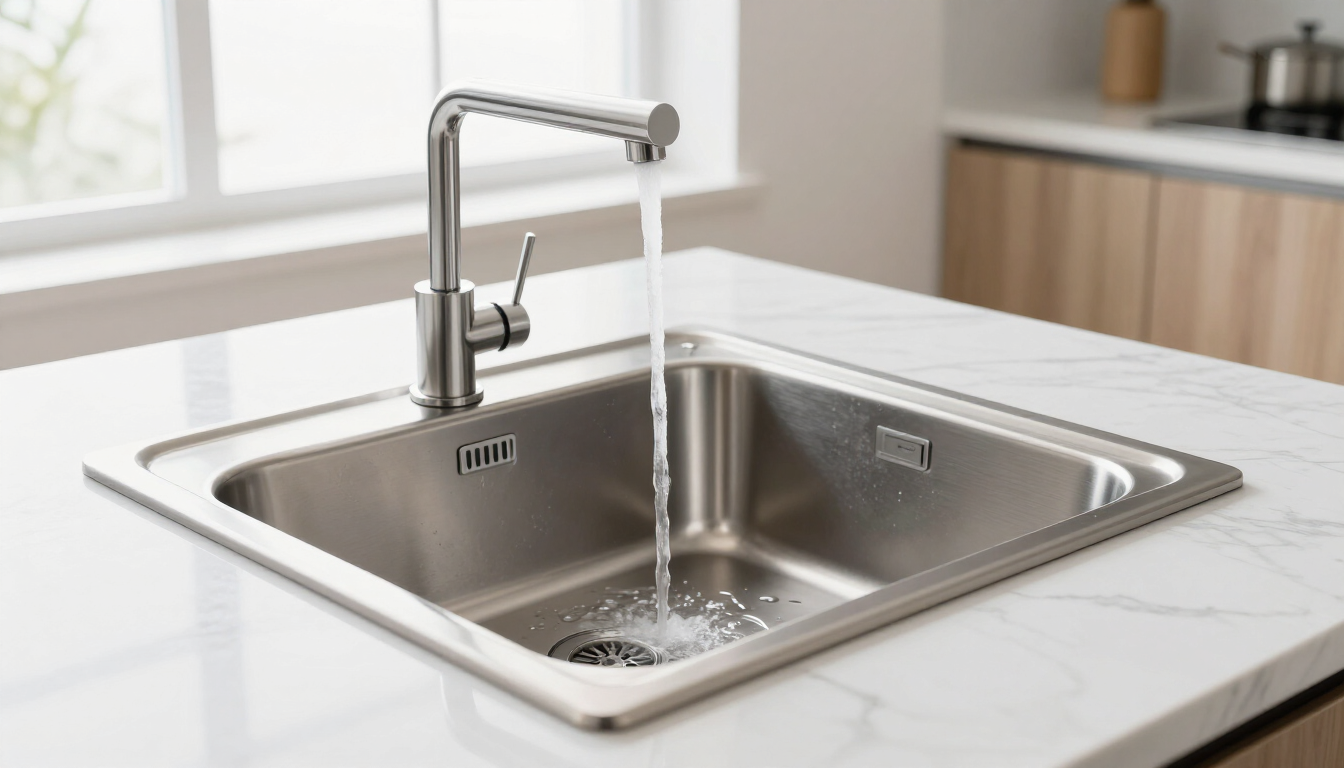
Yes, this is one of the most effective and simplest tricks in the book. You don't need a heavy flow; a slow, steady drip is enough to relieve the pressure that causes pipes to burst. When you allow a faucet to drip, you provide an escape route for that pressurized water we mentioned earlier. If an ice blockage begins to form, the pressure won't build up behind it because the open tap allows the water to move.
We recommend choosing the faucet that is furthest from the main water inlet. If you have pipes running through an exceptionally cold exterior wall, make sure that specific faucet is the one left running. This is especially vital during nights when the mercury is expected to dip below 10 degrees Fahrenheit. While it might seem like a waste of water, the cost of a few gallons is nothing compared to the thousands of dollars you would spend on emergency plumbing services and restoration after a major flood.
Smart Thermostat Settings for Pipe Safety
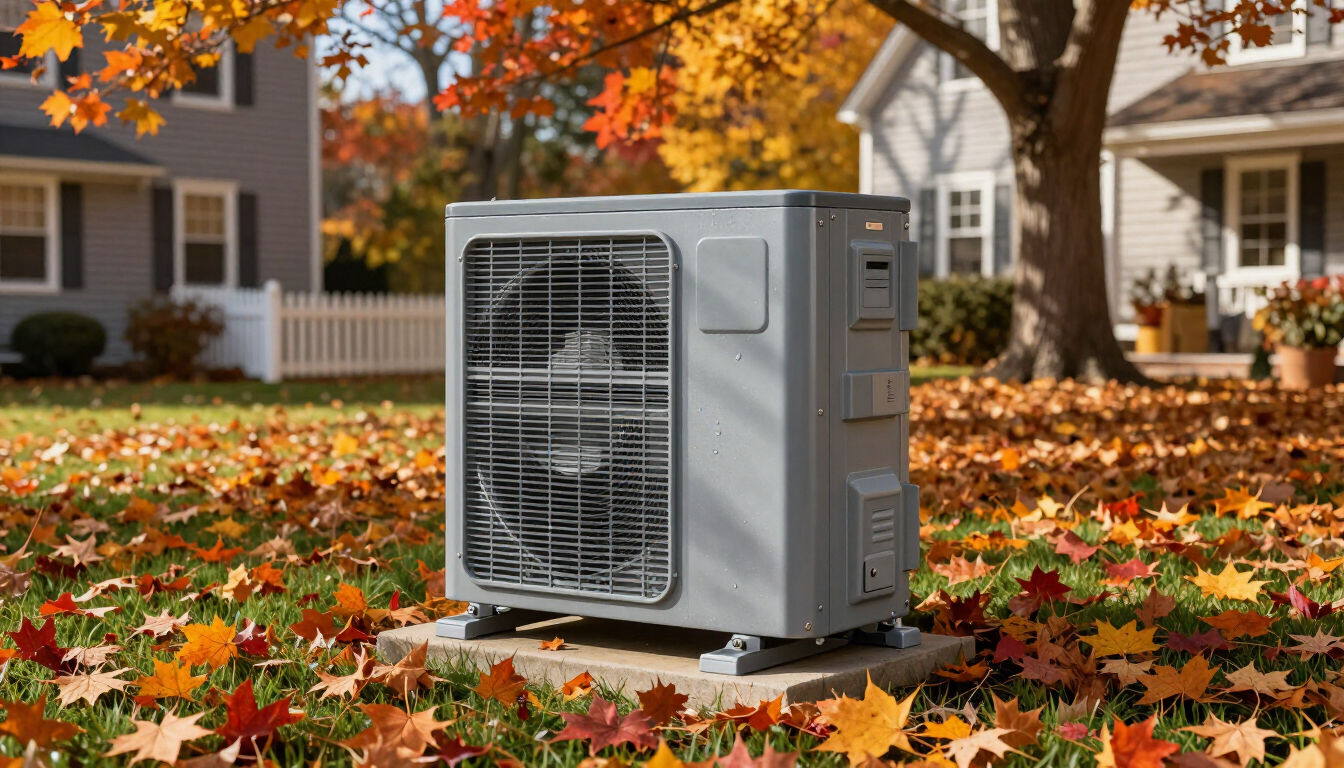
Modern technology has made it much easier to keep an eye on your home's temperature, even when you aren't there. If you use a heat pump or a traditional boiler , a smart thermostat can be your best friend during a Fryeburg winter. Many people try to save money by turning their heat down significantly at night or when they go to work. However, in extreme cold, this can be a recipe for disaster.
We suggest keeping your thermostat set to at least 55 degrees Fahrenheit at all times, even if you are away. Some homeowners prefer 60 degrees as a safer margin for older houses with poor wall insulation. If you have a smart system, set up alerts to notify your phone if the indoor temperature drops below a certain threshold. This early warning can give you enough time to call a neighbor or a professional before the pipes reach a critical freezing point. Consistent heating is the key to maintaining a safe internal environment for your plumbing system.
Safeguarding Your Vacation Home in North Conway
The White Mountains are full of beautiful vacation rentals and second homes in places like North Conway, NH . These properties are at the highest risk for frozen pipes because they often sit empty for weeks at a time. If a pipe bursts on a Tuesday and you don't arrive until Friday, the damage can be catastrophic.
If you own a seasonal property, consider a professional winterization service where the entire system is drained and filled with non-toxic antifreeze. If you prefer to keep the water on, ensure you have a property manager or a reliable local plumber on speed dial. Checking the well pump and ensuring the basement stays above freezing is essential. Don't forget to open the doors to all vanity cabinets and kitchen cupboards; this allows the home's ambient heat to reach the pipes hidden behind the cabinetry.
Recognizing the Warning Signs of a Frozen Line
How do you know if you are already in trouble? Early detection can prevent a freeze from turning into a burst. Keep an eye out for these red flags:
- Only a trickle of water comes out when you turn on the tap.
- Unusual smells (like sewage) coming from the drain, indicating an ice blockage.
- Frost visible on the outside of exposed pipes in the basement.
- Strange gurgling sounds when you flush the toilet or run the sink.
- A sudden drop in water pressure across the entire house.
When should I call an emergency plumber?
You should call an emergency plumber the moment you realize a pipe has already burst or if you have a frozen line that you cannot safely thaw. Time is of the essence. If you turn on a faucet and nothing comes out, and you suspect the freeze is in a wall or an inaccessible area, do not wait. A professional has the tools—like high-powered pipe thawers and thermal imaging cameras—to locate and resolve the issue without causing further damage to your home.
If you find a puddle of water or hear the sound of rushing water behind a wall, immediately locate your main water shut-off valve and turn it clockwise until it stops. This is the single most important thing you can do to minimize damage. Once the water is off, contact us for emergency plumbing services in the Fryeburg area. Our team is available 24/7 to help you navigate these winter crises.
Can I thaw my own frozen pipes safely?
If you can see the frozen section of the pipe and it hasn't burst yet, you may be able to thaw it yourself. However, you must be extremely careful. Never, under any circumstances, use an open flame like a blowtorch or propane heater. This is a leading cause of house fires during the winter months. Instead, use safer heat sources:
- An electric hair dryer on a low setting, moved back and forth along the pipe.
- A portable space heater (keep it away from flammable materials).
- Electric heating pads wrapped around the frozen section.
- Towels soaked in hot water and wrapped around the pipe.
Always start thawing from the faucet side and work your way back toward the frozen area. This allows the melting ice and steam to escape through the open tap. If you start from the middle, the expanding steam could actually cause the pipe to burst while you are working on it.
Summary of Winter Pipe Protection
Protecting your home from frozen and burst pipes in the White Mountains requires a combination of insulation, heat management, and vigilance. By following the tips outlined in this guide, you can significantly reduce your risk of a winter plumbing emergency. Remember to:
- Insulate all exposed pipes in unheated areas before winter.
- Let faucets drip during extreme sub-zero temperature spikes.
- Keep your thermostat at 55°F or higher at all times.
- Know the location of your main water shut-off valve.
- Call a licensed professional if you suspect a pipe is frozen in a wall.
If you need help winterizing your home or are currently facing a plumbing issue, contact First Choice Plumbing and Heat Pump today. We are proud to serve the Fryeburg, ME community and surrounding areas with reliable, local expertise.