7 Signs Your Boiler Needs Repair or Replacement (2026)
To determine if your boiler needs repair or replacement, look for signs like unusual banging or whistling noises, water leaks around the base, rising energy bills, and inconsistent heating. If your system is over 15 years old or requires frequent fixes, a full replacement is often more cost-effective than ongoing repairs.
What are the early warning signs of boiler failure?
Living in Western Maine or the White Mountains of New Hampshire means relying heavily on your heating system for more than half the year. When the temperatures drop in places like Conway, NH or Fryeburg, your boiler becomes the heart of your home. Catching a problem early can be the difference between a quick boiler repair and an expensive midnight emergency.
One of the most common early signs is inconsistent heat. If you find that some rooms are sweltering while others remain chilly, your boiler is struggling to distribute hot water or steam effectively. This often points to a failing pump, a blocked pipe, or a thermostat issue. Another red flag is a slow start-up time. Modern boilers should provide heat almost immediately; if yours takes a long time to "warm up," the internal components are likely wearing out.
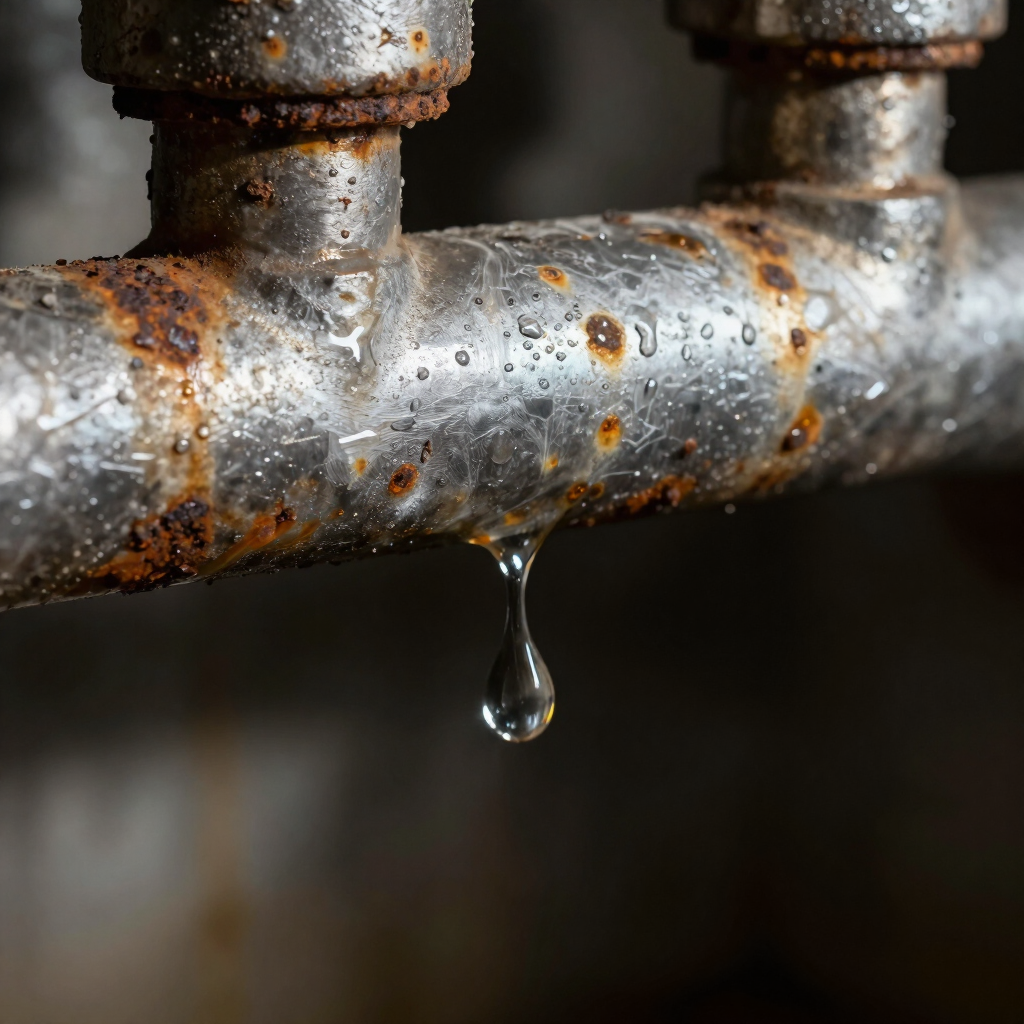
Homeowners should also keep a close eye on their pressure gauge. While minor fluctuations are normal, a constant loss of pressure usually indicates a leak somewhere in the system. Even a pinhole leak can lead to significant water damage and structural issues if left unaddressed. If you find yourself constantly topping off the system, it is time to call a professional for emergency plumbing services to locate the breach.
Why does my boiler make banging or whistling noises?
Strange sounds are rarely a good sign when it comes to mechanical equipment. In the world of plumbing and heating, these noises often have specific names and causes. "Kettling" is a term used to describe a low-pitched banging or rumbling sound, similar to a boiling teakettle. This usually happens when lime scale or sludge builds up on the boiler’s heat exchanger. This buildup restricts water flow and causes the water to overheat and steam, creating that distinctive banging sound.
Whistling or vibrating sounds can also occur. These might be caused by:
- Air trapped in the system (which can often be fixed by bleeding radiators).
- A failing pump that is struggling to move water through the pipes.
- A blocked fuel nozzle or a dirty heat exchanger.
- Expanding and contracting pipes that aren't properly secured.
- Low water pressure causing internal components to rattle.
Ignoring these sounds won't make them go away. In fact, kettling can actually damage the heat exchanger over time, leading to a much more expensive boiler installation later. If your basement sounds like a construction site every time the heat kicks on, it is a clear signal that a technician needs to inspect the internal components.
Is it better to repair or replace an old boiler?
This is the most common question we hear at First Choice Plumbing and Heat Pump. The answer usually depends on three factors: age, frequency of repair, and efficiency. Most boilers are designed to last between 15 and 20 years. If your unit is approaching its second decade, even a minor repair might be a sign of the end. Investing hundreds of dollars into a system that is nearing its expiration date is often a case of "throwing good money after bad."
Consider the frequency of your service calls. If you’ve had a plumber out to your house more than twice in a single season, the cumulative cost of those repairs could have been a significant down payment on a new, high-efficiency unit. Furthermore, older boilers typically have an AFUE (Annual Fuel Utilization Efficiency) rating of 60% to 70%. Modern condensing boilers can reach ratings of 95% or higher, meaning nearly all the fuel you pay for is converted directly into heat for your home.
When deciding, ask yourself these questions:
- Is the cost of the repair more than 50% of the cost of a new unit?
- Are replacement parts becoming difficult or impossible to find?
- Has the boiler been properly maintained over its lifespan?
- Is your home still comfortable during peak winter months?
- Are you planning on staying in the home for more than five years?
The impact of Western Maine's climate on heating systems
Western Maine is famous for its beauty, but it is also known for brutal winters. From Lovell, ME to Bridgton, ME , the sheer duration of the heating season puts immense strain on a boiler. Unlike systems in milder climates that may only run for a few hours a day, a Maine boiler often runs around the clock during January and February. This high duty cycle accelerates the wear and tear on pumps, valves, and electrical components.
Extreme cold also increases the risk of burst pipes . If a boiler fails in the middle of a sub-zero night, the temperature inside the home can drop rapidly, leading to frozen water lines. This is why we emphasize the importance of proactive inspections. A system that works "well enough" in October might fail completely when it is -10°F outside and the system is under maximum load. Understanding the local climate means acknowledging that your heating system is your most critical piece of home infrastructure.
How rising energy bills indicate a failing system
If you haven't changed your thermostat settings but your oil or propane bills are skyrocketing, your boiler is likely losing efficiency. As internal components scale up or wear out, the system has to work much harder and run much longer to achieve the same indoor temperature. This increased run time translates directly to higher fuel consumption.
Common causes for efficiency loss include:
- A dirty or soot-covered heat exchanger that prevents heat transfer.
- A faulty thermocouple or pilot light that causes frequent cycling.
- Thermostat calibration issues causing the unit to run unnecessarily.
- Sludge buildup in the radiators or baseboards.
- Inefficient combustion due to a lack of fresh air or fuel issues.
Monitoring your monthly utility usage is a great way to track your boiler's health. If you see a steady climb in usage year-over-year that isn't explained by colder weather, it’s time to investigate a water heater repair or a total system tune-up to regain that lost efficiency.
Safety first: Recognizing the signs of carbon monoxide
A malfunctioning boiler isn't just a comfort issue; it can be a significant safety hazard. Carbon monoxide (CO) is an odorless, colorless gas that can be produced if a boiler is not burning fuel properly. One of the visual signs of this is a yellow or flickering pilot light flame. A healthy boiler flame should always be a crisp, steady blue. If you see yellow, it means the fuel isn't combusting completely, which could be venting CO into your home.
Other physical signs of a CO leak include soot or dark staining on or around the boiler casing. You might also notice heavy condensation on the windows in the room where the boiler is located. Most importantly, never ignore physical symptoms in yourself or your family, such as unexplained headaches, dizziness, or nausea. Ensure you have working carbon monoxide detectors on every level of your home, especially near the sleeping areas and the utility room. If you suspect a gas leak or CO issue, exit the home and contact emergency plumbing services immediately.
Why professional maintenance prevents emergency breakdowns
Many homeowners treat their boiler like a "set it and forget it" appliance, but regular maintenance is the best way to extend its life. An annual tune-up allows a technician to clean the burner, inspect the heat exchanger for cracks, and test the safety controls. In Western Maine, where we deal with hard water issues, we also check for scale buildup that could lead to the "kettling" mentioned earlier.
Professional maintenance often pays for itself in fuel savings alone. A clean boiler runs more efficiently, uses less fuel, and experiences fewer mechanical failures. During a standard visit, we can also check your water pump and ensure that your entire hydronic system is balanced and ready for the winter. It’s much better to find a failing valve in September than to have your heat go out on Christmas Eve.
Choosing the right boiler for your home
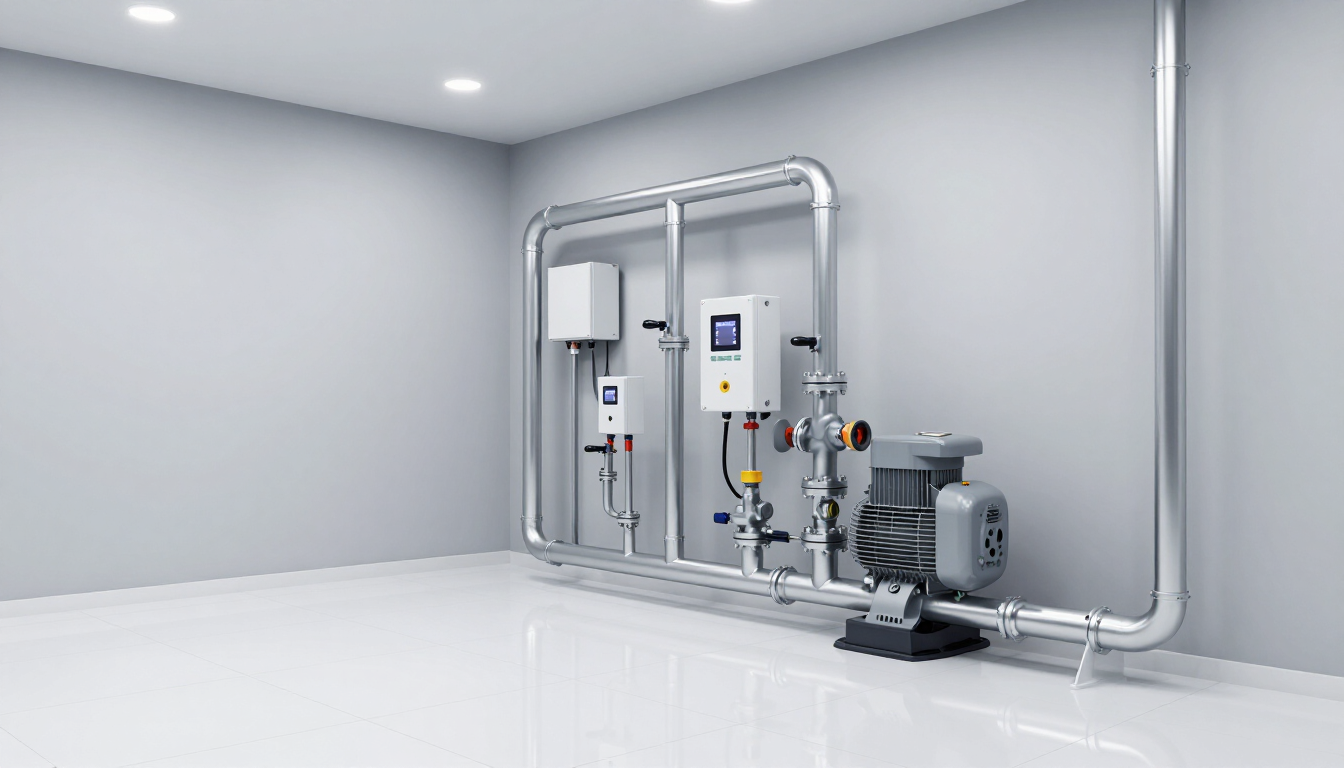
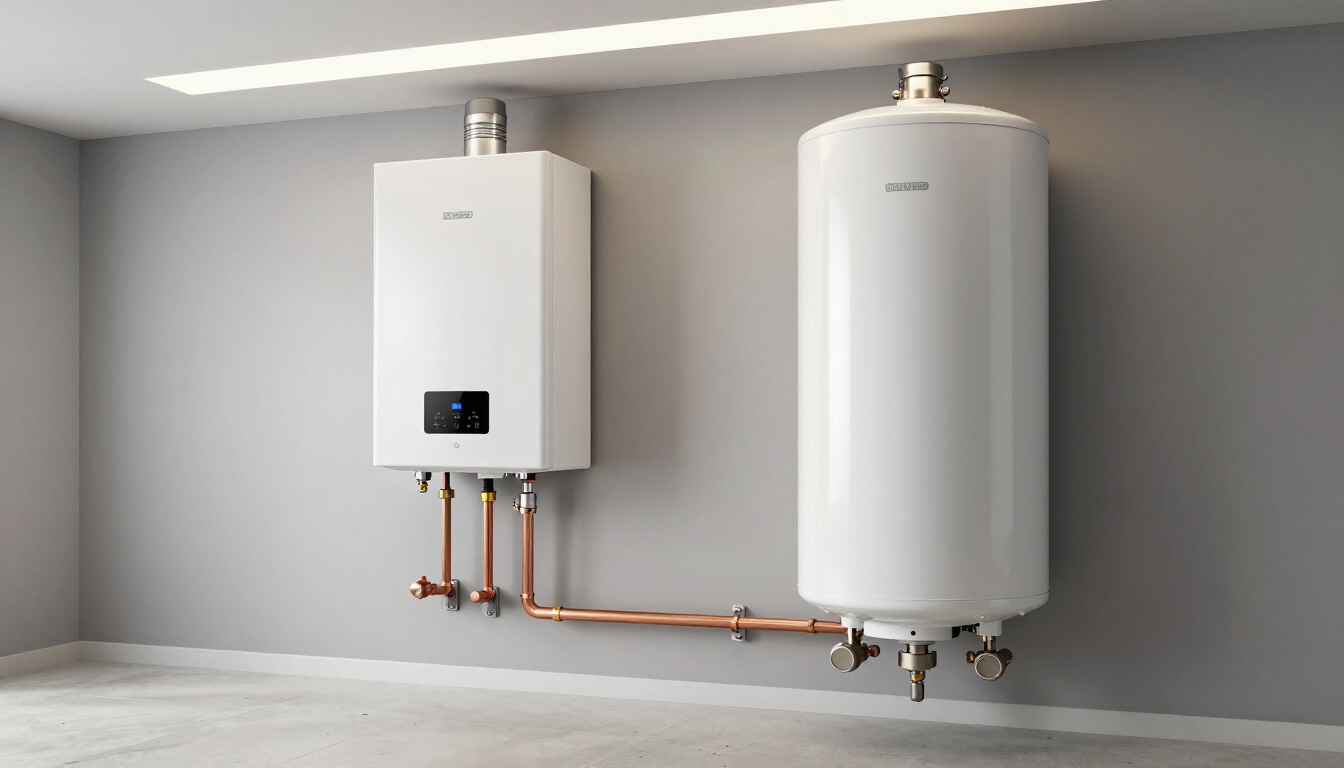
If the signs point toward a replacement, you have more options today than ever before. From traditional oil-fired units to high-efficiency propane condensing boilers, the right choice depends on your home’s size, insulation, and existing infrastructure. Many homeowners in North Conway, NH are even looking into hybrid systems that pair a boiler with heat pump installation to maximize efficiency year-round.
When we perform a boiler installation , we take the time to calculate the specific heat load of your home. Installing a boiler that is too large (over-sizing) is just as inefficient as one that is too small, as it leads to short-cycling and premature wear. We help you navigate these choices to ensure your new system provides reliable comfort for the next two decades.
Summary of Boiler Warning Signs
Knowing when to call for help is the key to maintaining a warm and safe home during the long Maine winters. To recap the most important takeaways from this guide:
- Monitor Noises: Banging, whistling, or gurgling sounds indicate internal distress or scale buildup.
- Watch for Leaks: Any water around your boiler is a sign of a failing seal, valve, or tank that needs immediate attention.
- Check Your Bills: A sudden spike in fuel usage usually means your system is working harder than it should.
- Verify Safety: Ensure your pilot light is blue and your CO detectors are functioning correctly.
- Plan for Age: If your boiler is over 15 years old, start budgeting for a high-efficiency replacement before an emergency occurs.
If you're noticing any of these signs in your home, don't wait for the first frost. Contact a local expert for a thorough inspection to keep your family warm all winter long.