Why Is My Basement Leaking After Snow Melt? (5 Causes)
A basement leak that Maine homeowners experience after snow melt is primarily caused by hydrostatic pressure. As heavy snowpack thaws, the soil becomes oversaturated. If the ground is still partially frozen, water cannot drain downward, forcing it through foundation cracks or porous concrete into your basement. This spring thaw flooding is often exacerbated by sump pump failure and poor yard drainage.
Why does snow melt cause a basement leak in Maine?
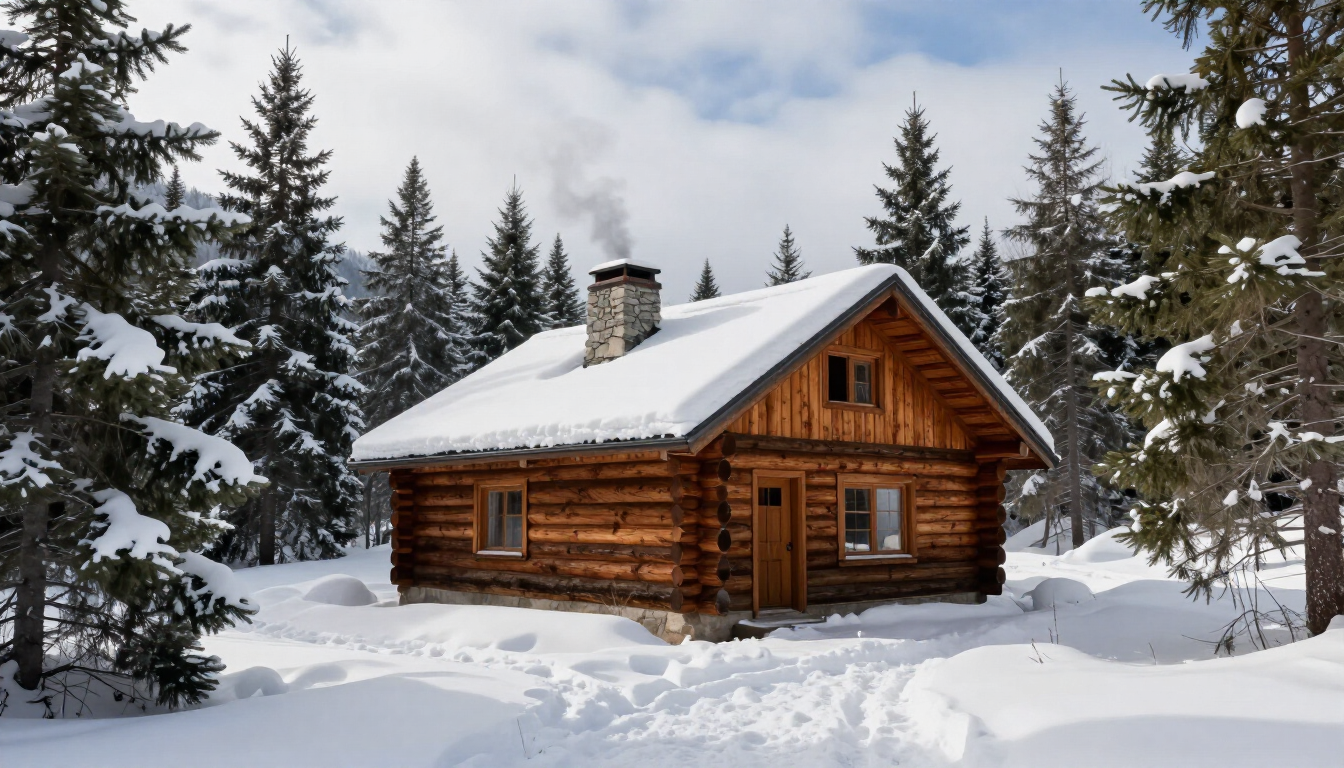
In the Fryeburg area, the transition from winter to spring is rarely a smooth process. We often deal with a rapid rise in temperatures following heavy snowfall, leading to what locals know as the "big melt." This sudden influx of water creates a perfect storm for your foundation. Unlike a typical rainstorm, snow melt is a continuous, slow-release mechanism that keeps the soil surrounding your home saturated for days or even weeks.
When you have several feet of snow against your house, that snow acts as a massive reservoir. As it melts, the water seeks the path of least resistance. In many older Maine homes, that path leads directly through the stone or concrete foundation. The volume of water generated by melting snow is often far greater than what a typical storm drainage system is designed to handle, leading to significant pressure against your basement walls.
Furthermore, the temperature fluctuations in Maine are unique. We often see "frost heaving," where the soil expands and contracts as it freezes and thaws. This movement can create new hairline fractures in your foundation or widen existing ones. By the time the primary snow melt arrives in late March or April, your home’s primary defense—the foundation—may already be compromised by the winter’s harsh conditions.
Understanding Hydrostatic Pressure and the Spring Thaw
Hydrostatic pressure is the scientific term for the pressure exerted by a fluid at rest due to the force of gravity. In the context of your basement, it refers to the weight of the water in the soil pressing against your foundation. During a Maine spring, the water table rises significantly. This creates a literal wall of water outside your basement that is trying to push its way inside.
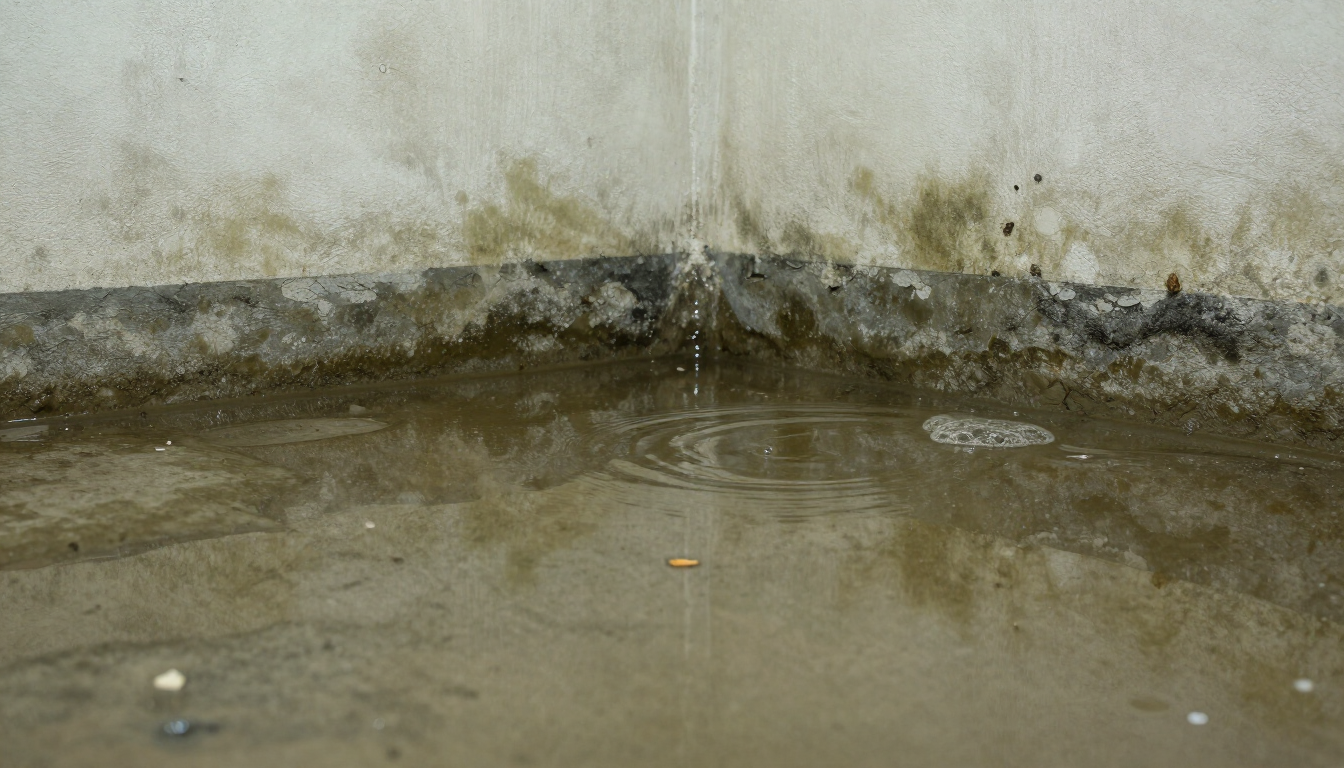
When the soil around your home becomes a slurry of mud and water, it weighs much more than dry soil. This weight translates into lateral pressure. If your basement is eight feet deep, the pressure at the bottom of the wall can be immense. This is why you often see water bubbling up through the floor-to-wall joint (the cove joint) or through cracks in the floor slab rather than just coming through the walls.
The Frozen Ground Problem
One of the most frustrating aspects of a basement leak in Maine is that it often happens while the ground is still frozen a few inches below the surface. This creates a "perched water table." Because the deeper frost hasn't thawed yet, the surface melt-water has nowhere to go. It cannot soak deep into the earth, so it moves horizontally across the frozen layer right toward your foundation.
This phenomenon is particularly common in the Fryeburg and Saco River valley areas, where soil compositions can vary between sandy deposits and heavy clay. Clay, in particular, holds onto moisture and expands, increasing the physical stress on your plumbing and foundation. If your drain cleaning needs haven't been met or your exterior drains are still packed with ice, the water will back up and find its way into your living space.
How do foundation cracks lead to water intrusion?
Every foundation, whether it is poured concrete, block, or historic fieldstone, eventually develops small cracks. In Maine’s climate, these are often caused by the freeze-thaw cycle. Once a crack exists, it becomes a high-pressure nozzle during the spring thaw. Water under hydrostatic pressure doesn't just seep; it can actively spray or flow through these openings.
Foundation cracks are usually categorized into two types: structural and non-structural.
- Vertical Cracks: Often caused by settling or minor shrinkage, these are the most common entry points for water during a melt.
- Horizontal Cracks: These are more serious and often indicate that the pressure from the saturated Maine soil is actually bowing the wall inward.
- Step Cracks: Common in block foundations, these follow the mortar lines and suggest significant shifting.
- Hairline Cracks: Though they look small, they are porous enough to allow moisture to wick through via capillary action.
- Cove Joint Seepage: This is the gap where the wall meets the floor, a notorious spot for spring flooding.
If you notice water entering through specific spots, it’s a clear sign you need plumbing leak detection or a foundation specialist to assess the integrity of your home. Ignoring these cracks can lead to structural failure or a mold infestation that is much more expensive to remediate than a simple crack injection.
Is your sump pump failing during the thaw?
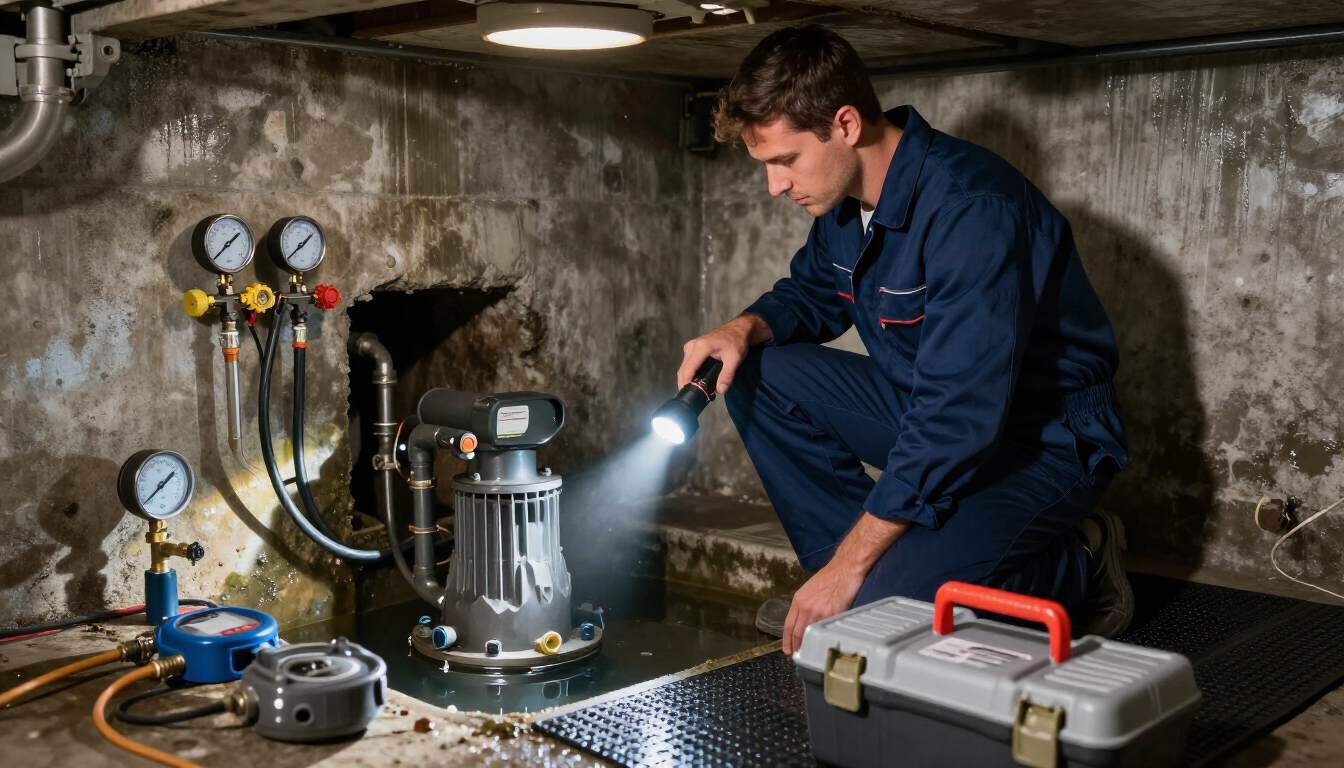
For many homeowners, the sump pump is the only thing standing between a dry basement and a lake. However, sump pump failure is incredibly common during the Maine spring. These pumps are often forced to run every few minutes for days on end, which can lead to motor burnout.
There are several reasons your pump might fail when you need it most:
- Switch Failure: The float switch can get stuck against the side of the pit or simply wear out from over-use.
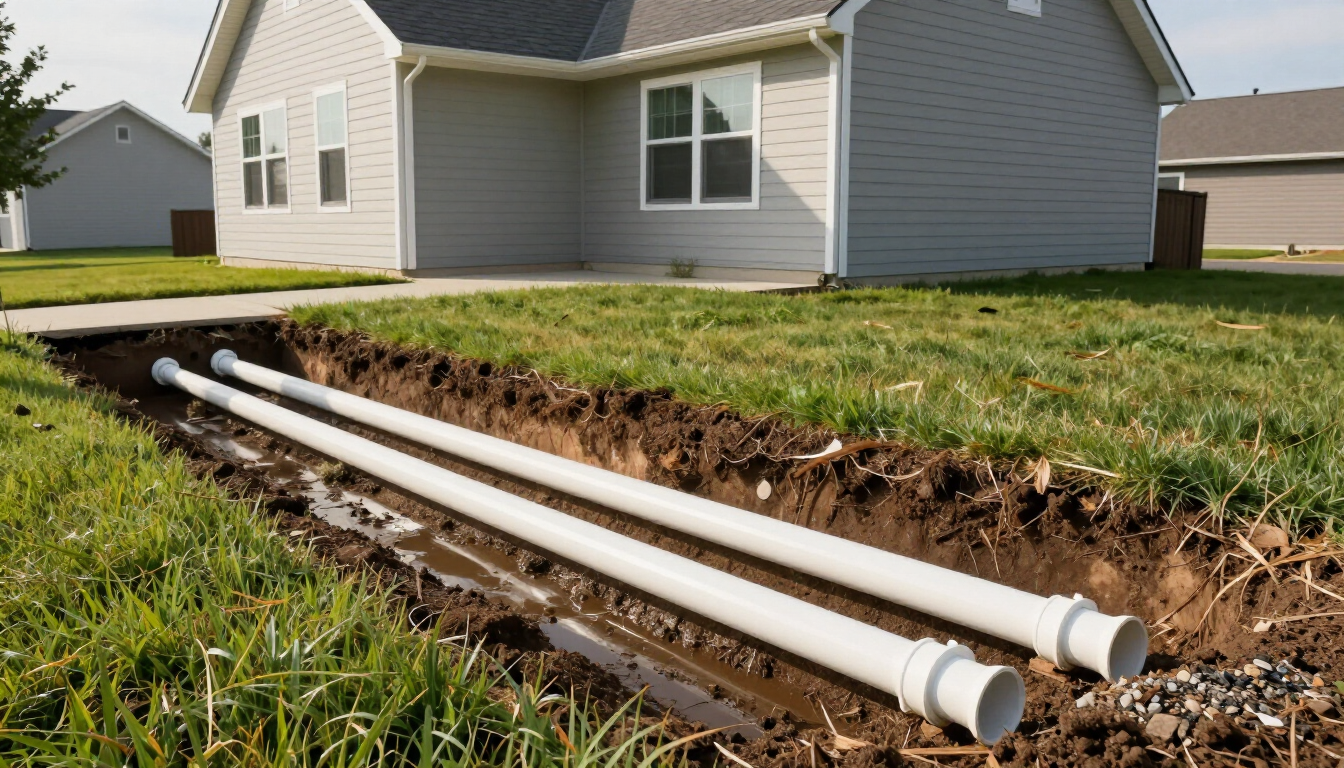
- Frozen Discharge Line: If the pipe that carries water away from your house is still frozen or buried under a snowbank, the pump will work but the water has nowhere to go.
- Power Outages: Spring storms in Maine often bring heavy winds and falling limbs, knocking out power. Without a battery backup, your pump is useless.
- Clogged Intake: Debris in the sump pit can clog the screen, preventing the pump from drawing water.
- Age: Most sump pumps have a lifespan of 7 to 10 years. If yours is older, the heavy demand of a spring thaw can be the final straw.
If you suspect your system is struggling, our water pump services can help you upgrade to a more reliable model or install a necessary backup system. It is much cheaper to replace a pump proactively than to deal with the aftermath of a flooded basement.
Common Signs of a Leaking Basement
You don't always need a foot of standing water to know you have a problem. Often, the signs are subtle and appear weeks before a major flood. Identifying these early markers can save your foundation and your health.
- Musty Odors: That "old basement smell" is actually the scent of mold and mildew thriving on moisture.
- Efflorescence: A white, powdery substance on the walls. This is mineral residue left behind after water evaporates.
- Peeling Paint or Wallpaper: Moisture behind the finish causes it to lose adhesion and flake off.
- Discolored Baseboards: If the bottom of your drywall or wood trim looks dark or warped, water is likely seeping through the cove joint.
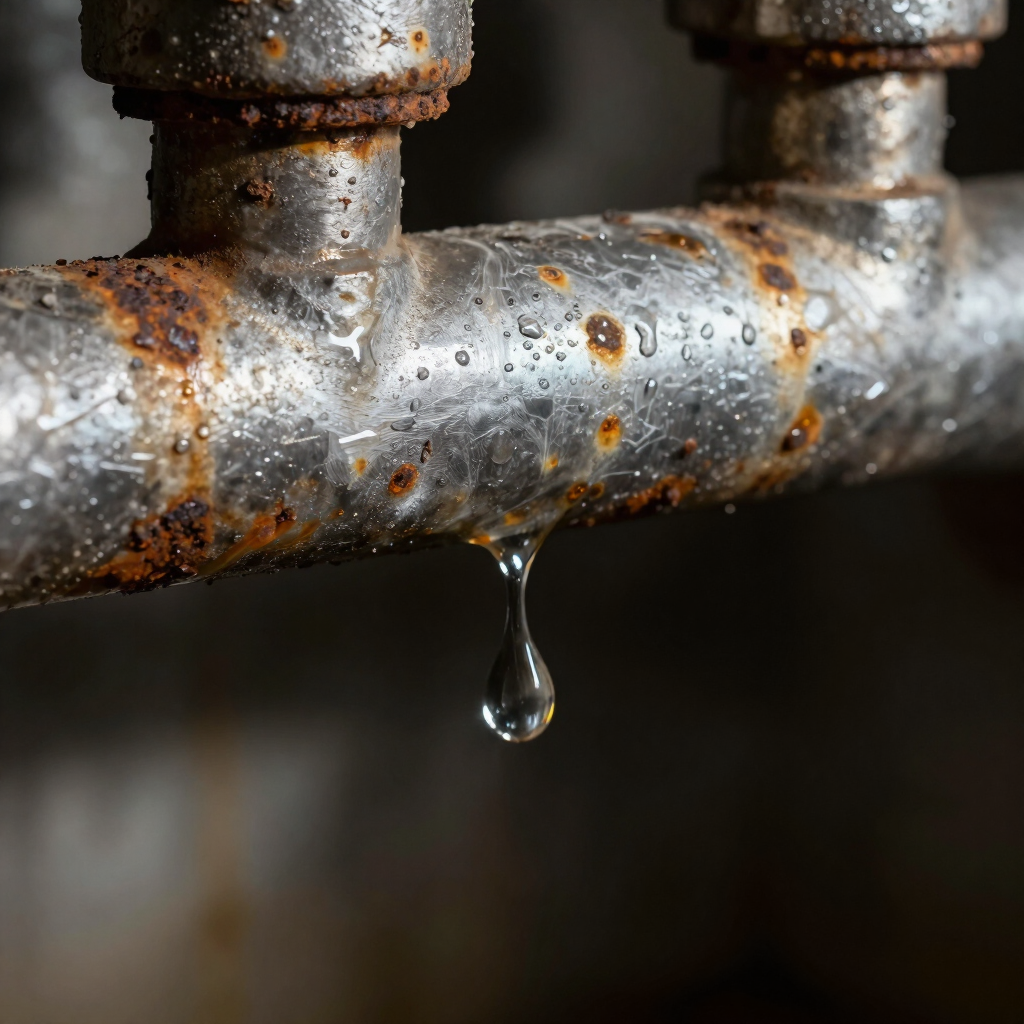
- Increased Humidity: If your basement feels damp or "heavy," or if you see condensation on pipes, the moisture levels are too high.
If you encounter these issues, it is highly recommended to contact a plumbing company that does emergency plumbing services if the water begins to rise quickly. Early intervention prevents the long-term decay of your floor joists and keeps your air quality safe for your family.
How can you stop spring thaw flooding quickly?
If you find water entering your basement right now, you need immediate action. While these aren't permanent waterproofing solutions, they can mitigate damage until the ground thaws completely and professional repairs can be made.
First, identify the source. If it’s coming from a specific crack, you can use hydraulic cement as a temporary plug—it even sets under water. If the water is rising from the floor, ensure your sump pump is plugged in and the discharge line is clear of snow and ice. Sometimes, simply shoveling snow away from the foundation of your house can reduce the immediate volume of water pressing against the walls.
- Check the Discharge: Ensure your sump pump's exit pipe is at least 10 feet away from the house.
- Clear the Gutters: If your gutters are full of ice or debris, water will pour over the side and land right next to your foundation.
- Use a Dehumidifier: This won't stop a leak, but it will help prevent mold from growing on the damp surfaces.
- Move Valuables: Get everything off the floor and onto shelves or into plastic bins.
- Sandbags: In extreme cases of surface runoff, sandbags can redirect water away from basement windows.
Quick Fixes vs. Long-Term Waterproofing
There is a big difference between surviving a spring thaw and ensuring your basement stays dry forever. Quick fixes like waterproof paint or DIY crack kits are often just band-aids. In Maine, the environmental pressures are too high for these to last more than a season or two.
True waterproofing involves a multi-faceted approach. This might include interior drainage systems (French drains) that lead to a high-capacity sump pump, or exterior excavation to apply a waterproof membrane to the foundation. For many homes in Fryeburg, improving the grading of the yard is the most effective long-term solution. The ground should slope away from the house at a rate of at least one inch per foot for the first six feet.
If your basement issues are related to older pipes or clogs, a professional Fryeburg plumber can assess whether your main lines are contributing to the backup. In some cases, what looks like a basement leak is actually a burst pipe hidden behind a wall, caused by the same freezing temperatures that brought the snow.
How to prevent basement flooding in Maine
Prevention is the most cost-effective way to manage your home. For Maine homeowners, this means a yearly "pre-thaw" checklist. By taking these steps in late winter, you can drastically reduce the risk of a basement leak when the snow starts to melt.
- Snow Management: Shovel snow at least 3-5 feet away from your foundation before the first major warm-up.
- Sump Pump Testing: Pour a five-gallon bucket of water into your sump pit to ensure the pump triggers and the water is removed quickly.
- Gutter Extensions: Attach temporary or permanent extensions to your downspouts to carry water as far from the foundation as possible.
- Inspect Window Wells: Clear out leaves and debris from basement window wells and ensure they have proper covers.
- Professional Inspection: Have a licensed technician check your sewer line repair needs or general plumbing health every few years.
Maintenance is especially critical if you live in an area with a high water table or if your home is more than 50 years old. Older foundations were not built with modern waterproofing standards, so they require more active management to stay dry.
Conclusion: Protecting Your Maine Home
A basement leak after a Maine snow melt is a stressful experience, but it is manageable with the right knowledge and professional help. By understanding the role of hydrostatic pressure and the unique challenges of our spring climate, you can take the necessary steps to protect your property and your family's health.
Key Takeaways for Homeowners:
- Identify Early: Look for musty smells and efflorescence before the heavy melt begins.
- Maintain Systems: Test your sump pump and clear your gutters every March.
- Direct Water Away: Ensure your yard is graded away from the house and snow is cleared from the foundation.
- Invest in Quality: Long-term waterproofing is always more affordable than repetitive flood cleanup.
If you're dealing with a wet basement or want to prevent the next flood, contact us at First Choice Plumbing and Heat Pump. We understand the unique challenges of Fryeburg and the surrounding Maine communities. Whether you need an emergency pump replacement or a comprehensive drainage evaluation, our team is here to ensure your home stays dry all spring long.