
5 Warning Signs of Sewer Line Problems in Rural Maine

August 17, 2026

Share this article

Sewer line problems in rural Maine often manifest as slow drains, foul odors, or lush patches in your yard. These issues frequently stem from root intrusion, aging pipes, or septic failures common in Oxford County homes. Identifying these early signs prevents costly repairs and ensures your plumbing remains code-compliant.

Living in the beautiful landscapes of Oxford County, homeowners enjoy a unique rural lifestyle. However, this setting comes with specific infrastructure challenges. Many properties in Lovell, ME and Brownfield, ME rely on older sewer lines or complex septic systems that are susceptible to the harsh New England climate. From the deep freeze of winter to the aggressive growth of native tree roots in the spring, your underground pipes are constantly under pressure. Understanding the nuances of sewer line problems in rural Maine is the first step toward protecting your investment and avoiding a catastrophic backup.

Rural Maine Landscape

What causes sewer line problems in rural Maine?

The causes of sewer line failure in our region are often tied to the environment. Unlike urban centers with modern municipal systems, rural Maine homes often deal with older materials and volatile soil conditions. Several factors contribute to the degradation of these vital lines:

  • The Freeze-Thaw Cycle : Maine’s winters cause the ground to shift significantly, which can crack or dislodge older pipes.
  • Root Intrusion : Searching for moisture, the roots of large pines and hardwoods penetrate small cracks in sewer lines.
  • Aging Infrastructure : Many older homes still utilize clay or Orangeburg pipes, which have a limited lifespan and high failure rates.
  • Soil Composition : The rocky, acidic soil in Oxford County can accelerate the corrosion of metallic pipe components.
  • Septic System Overload : Improperly maintained septic tanks can cause solids to back up into the main sewer line connecting the house.

Understanding root intrusion and aging infrastructure

Root intrusion is perhaps the most persistent threat to rural plumbing. In the densely forested areas of Fryeburg and surrounding towns, trees are a major part of the landscape. Their root systems are incredibly resilient and can travel long distances to find a water source. Even a tiny hairline fracture in a sewer pipe releases enough moisture to attract roots. Once inside, they grow rapidly, creating a "root ball" that catches grease and debris, eventually leading to a complete blockage. If you suspect this is happening, professional drain cleaning is often the first line of defense before more invasive repairs are needed.

Furthermore, the age of the home plays a critical role. Houses built several decades ago might still be using "bituminous fiber" pipes, colloquially known as Orangeburg. These are essentially wood fibers bound with tar. Over time, they flatten and become brittle, making them incredibly prone to collapse. When these pipes fail, the only viable solution is typically a full sewer line repair or replacement. Homeowners should be aware of what material their lines are made of to anticipate when these problems might arise.

How do septic systems impact your main sewer line?

For many residents in Oxford County, the "sewer line" is actually the conduit between the house and a private septic tank. This relationship is delicate. If the septic tank is not pumped regularly, the sludge level rises until it reaches the inlet pipe. This creates a bottleneck that slows down every drain in the house. The pressure from a backed-up septic tank can also cause joints in the main line to leak, leading to environmental hazards and potential fines for non-compliance with the Maine State Plumbing Code. Regular maintenance is not just a suggestion; it is a necessity for rural living.

Common warning signs of a clogged sewer line

Detecting sewer line problems in rural Maine early can save you thousands of dollars in emergency restoration costs. Because these pipes are buried deep underground, you have to rely on secondary indicators inside and outside your home. If you notice any of the following, your system is likely struggling:

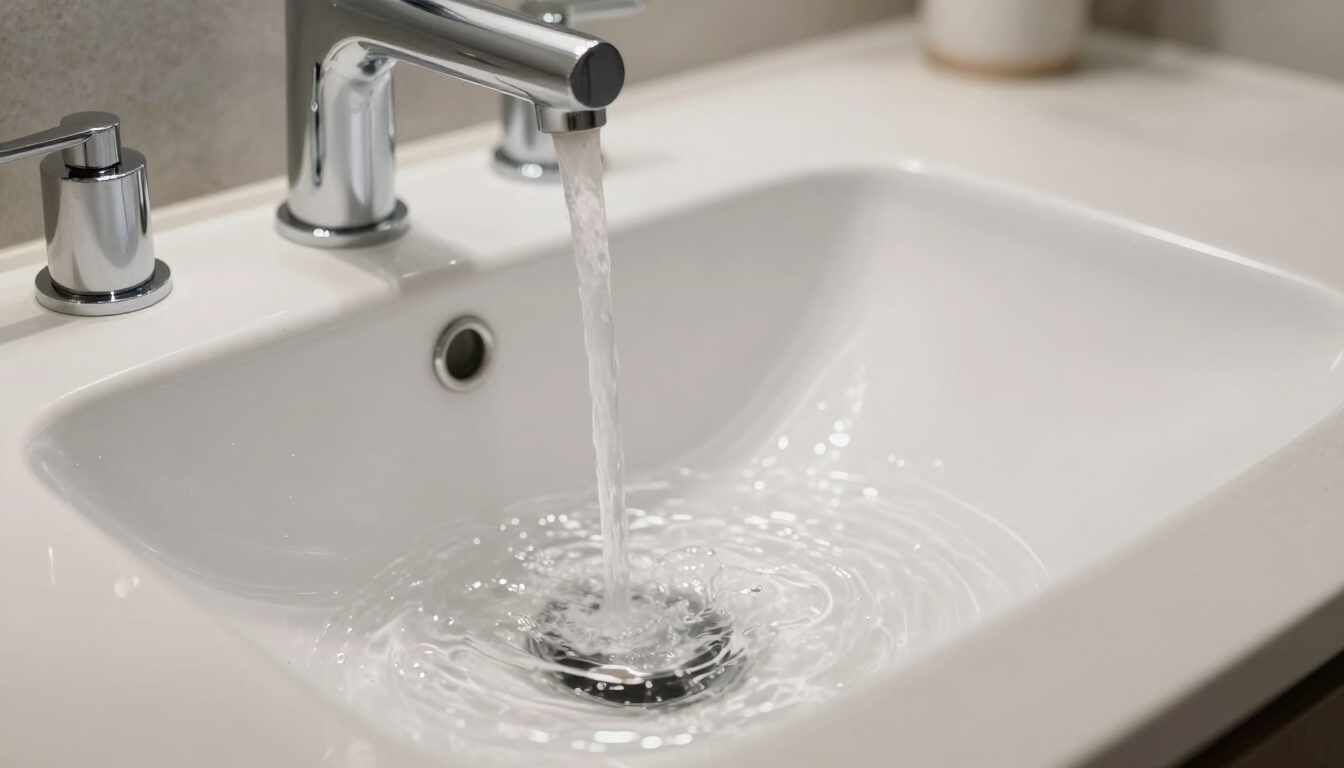
  1. Gurgling Noises : If your toilet bubbles when you run the bathroom sink, air is being trapped by a partial blockage.
  2. Multiple Slow Drains : When the kitchen, bath, and laundry all drain slowly, the problem is usually in the main line, not individual pipes.
  3. Sewage Odors : A distinct rotten egg smell near drains or in the yard indicates a breach in the sewer line or a dry P-trap caused by venting issues.
  4. Lush Green Patches : If one area of your lawn is significantly greener and faster-growing than the rest, it may be receiving "fertilizer" from a leaking pipe.
  5. Indented Areas in the Yard : A sinkhole or soft spot in the grass often points to a collapsed pipe that is washing away the surrounding soil.

The dangers of ignoring minor leaks

It is tempting to ignore a slow drain or a faint smell, especially if it comes and goes. However, in a rural setting, a small leak can quickly escalate. Leaking sewage can contaminate local groundwater, which is particularly dangerous if you or your neighbors rely on a private well. Furthermore, the structural integrity of your home's foundation can be compromised if a sewer line leak occurs close to the basement. Professional plumbing leak detection can identify these issues before they cause significant property damage. Ignoring these signs often leads to a sudden, catastrophic failure that requires emergency plumbing services at the most inconvenient times, such as during a mid-winter blizzard.

When should you call an Oxford County plumber?

Determining when a DIY fix is insufficient is crucial. While a plunger might clear a simple clog in a toilet, it will do nothing for a main line obstructed by tree roots or a collapsed section of pipe. You should contact a licensed professional if you experience a total backup where sewage is entering your home through the lowest drains. Additionally, if you have tried chemical cleaners without success, stop immediately. These chemicals can damage older pipes and disrupt the bacterial balance in your septic tank, making the situation much worse. A professional has the tools, like high-definition sewer cameras, to see exactly what is happening underground without digging up your entire yard.

Gurgling Sink Warning Sign

Professional sewer line repair and maintenance

Modern technology has revolutionized how we handle sewer line problems in rural Maine . In the past, every repair required a massive trench through the yard. Today, we utilize specialized methods to minimize disruption. Depending on the severity of the damage, options might include:

  • Video Camera Inspection : Using a waterproof camera to locate the exact point of failure or root intrusion.
  • High-Pressure Hydro Jetting : Blasting through grease and roots with high-pressure water to restore flow.
  • Pipe Relining : Creating a "pipe within a pipe" to seal leaks and prevent further root entry.
  • Sectional Repair : Replacing only the damaged segment of the line rather than the entire run.
  • Excavation and Replacement : For collapsed lines, traditional digging may be required to ensure the new installation meets all current plumbing codes.

Maintaining your system is the best way to avoid these costly interventions. We recommend having your main sewer line inspected every two to three years, especially if your property has large trees or if you live in an older home in the Fryeburg area. This proactive approach allows you to plan for repairs on your own schedule rather than reacting to a midnight emergency.

Conclusion: Taking Action for Your Rural Home

Dealing with sewer line problems in rural Maine requires a blend of local knowledge and technical expertise. The combination of aging infrastructure, aggressive tree roots, and septic system complexities means that Oxford County homeowners must be vigilant. By recognizing the early warning signs—such as gurgling drains or localized lawn growth—you can address issues before they become environmental hazards or lead to expensive property damage. Remember, a healthy sewer line is essential for a safe, functional home.

Key Takeaways:

  • Watch for gurgling noises and slow drains across multiple fixtures as primary warning signs.
  • Understand that tree roots are the leading cause of pipe damage in forested areas like Lovell and Brownfield.
  • Regular septic maintenance is critical to preventing main sewer line backups.
  • Contact a professional for camera inspections to avoid unnecessary digging and guesswork.

If you are worried about the state of your underground pipes or have noticed suspicious signs in your yard, don't wait for a total collapse. Contact our team today to schedule an inspection and ensure your home remains protected against the unique plumbing challenges of rural Maine.

Recent Posts

A modern heat pump unit installed on a home in a snowy Maine landscape.
August 3, 2026
Compare efficiency and costs of heat pumps vs traditional heating in Maine. Expert advice for Fryeburg and Conway homeowners on choosing the best system for cold winters.
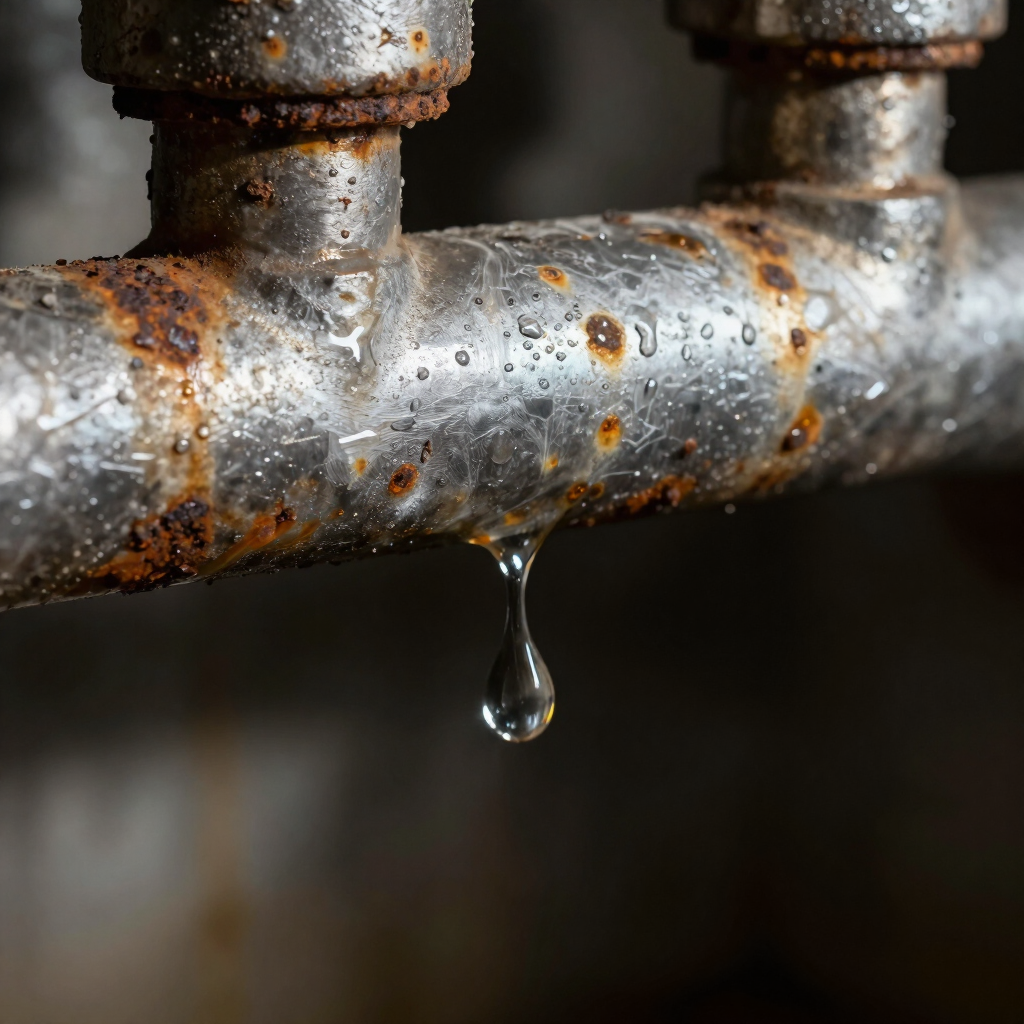
Emergency plumbing leak in a home requiring immediate attention
July 21, 2026
Facing a plumbing crisis? Learn when to call an emergency plumber in Oxford County, ME, how to handle burst pipes, and what to do while you wait for help.

Modern residential heat pump installation in a Maine winter setting.
July 6, 2026
Discover how to maximize Maine heat pump rebates in 2026. Learn about Efficiency Maine savings, federal tax credits, and expert installation for Fryeburg homeowners.
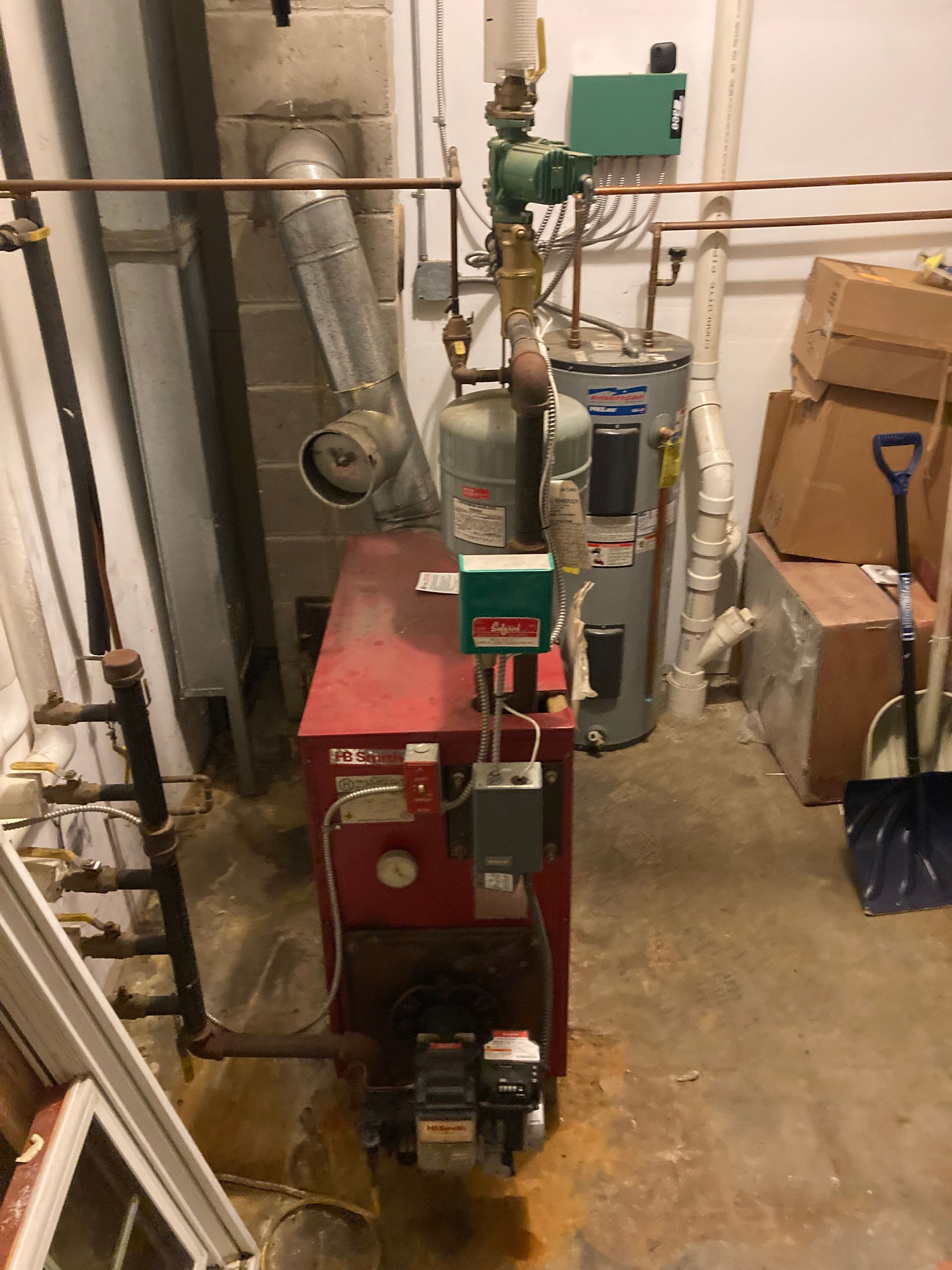
A professional residential boiler system in a home basement utility room.
June 22, 2026
Discover the top signs your boiler needs repair or replacement in Western Maine. Learn how to spot leaks, noises, and efficiency drops before the winter cold hits.

Insulated pipes in a winter home setting
June 8, 2026
Learn how to prevent frozen and burst pipes in Fryeburg, ME, and the White Mountains. Expert plumbing tips to winterize your home and avoid costly water damage.

Professional plumber inspecting a well pump system in a utility room.
May 11, 2026
If your well pump stops working in Fryeburg, ME or Conway, NH, follow this emergency guide. Learn the signs of pump failure, troubleshooting tips, and when to call First Choice Plumbing for professional repair.

Comparison of tankless and traditional tank water heaters in a home basement.
April 24, 2026
Compare tankless vs. tank water heaters for your Maine or NH home. Learn about costs, sizing for cold ground water, and which system fits your family's needs.
Mini split installation in a modern home
April 12, 2026
Wondering if a mini-split is worth it for your Maine or New Hampshire home? Explore energy savings, rebate options, and how ductless heat pumps handle brutal winters.
Snow melting against a Maine home foundation causing basement leaks
April 7, 2026
Learn why snow melt causes a basement leak in Maine. Our guide covers spring thaw flooding, hydrostatic pressure, sump pump failure, and repair tips.
Outdoor drain clearing during spring thaw
March 27, 2026
Facing soggy yards or basement leaks? Learn how to manage spring thaw drainage issues in Fryeburg, ME, with expert tips on prevention and professional solutions.
Show More