5 Signs You Need Professional Drain Cleaning (Maine)
Professional drain cleaning is necessary when you notice slow drainage, recurring clogs, or foul odors emanating from your sinks. In Maine, these issues often stem from grease solidification, hair, or invasive tree roots. Licensed plumbers use specialized tools like hydro-jetting to clear obstructions safely, ensuring your plumbing remains code-compliant.
Why are my drains moving so slowly?
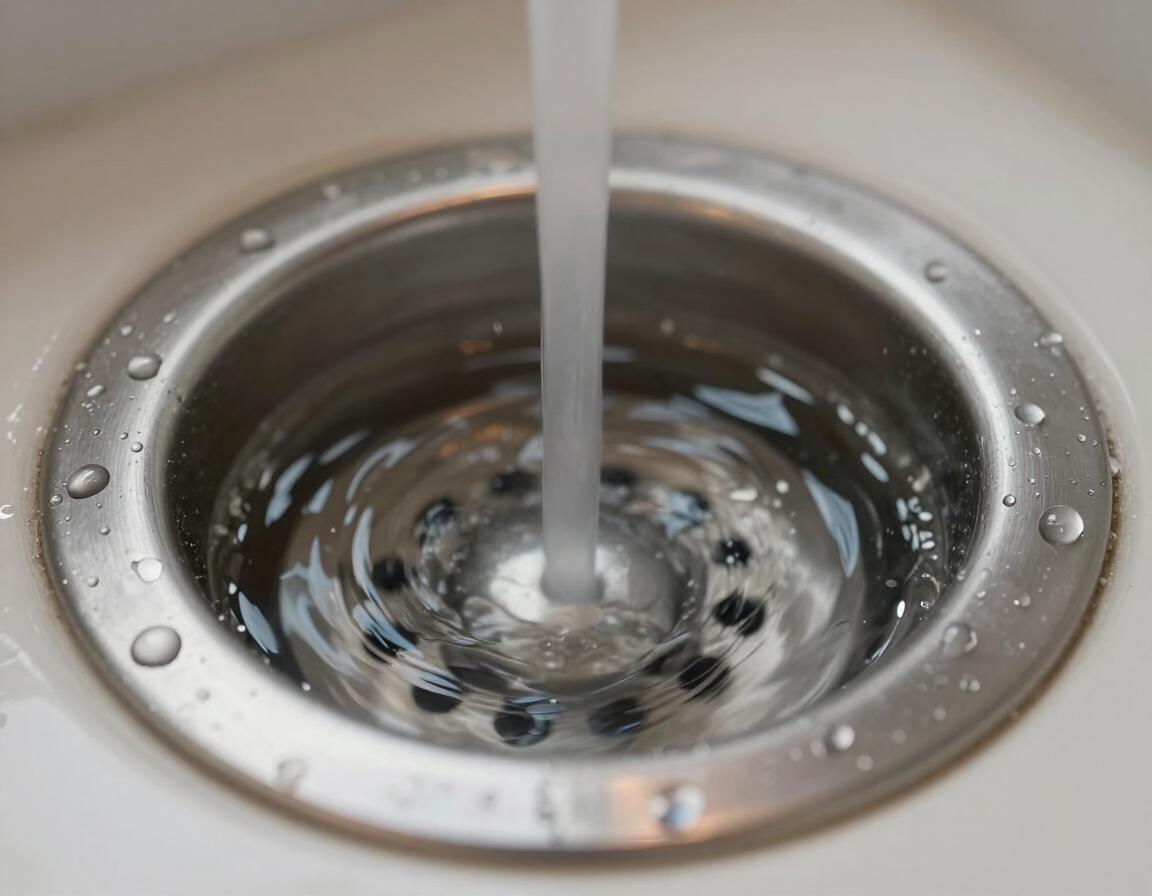
If you find yourself standing in a pool of water every time you take a shower, or if your kitchen sink takes several minutes to empty after doing the dishes, you are likely dealing with a significant accumulation of debris. In Maine homes, slow drains are rarely a one-time fluke; they are usually a symptom of a growing restriction inside the pipe walls. Over time, materials like soap scum, hair, and organic waste create a sticky film known as biofilm. This film acts like a magnet, catching every small particle that passes by until the opening of the pipe is narrowed to a fraction of its original size.
While many homeowners reach for a plunger as their first line of defense, this often only shifts the clog further down the line rather than removing it. When the water flow becomes sluggish across multiple fixtures, it indicates that the buildup has reached a critical mass. Our team at First Choice Plumbing and Heat Pump recommends seeking drain cleaning services at the first sign of a slowdown. Addressing the issue early prevents the pressure from building up, which can lead to more severe problems like a burst pipe during the freezing winter months common in Fryeburg.
Understanding the mystery of gurgling sounds
Have you ever finished draining the bathtub only to hear a strange gurgling or bubbling sound coming from the toilet or a nearby sink? This is not just a quirky house noise; it is a clear indicator of a venting or drainage issue. When a pipe is partially blocked, air becomes trapped behind the water as it tries to move past the obstruction. This air has to go somewhere, so it bubbles back up through the nearest water seal, creating that distinctive glug-glug sound.
In many Maine residences, these sounds can also be linked to the home's venting system. If the plumbing vents on your roof are obstructed—perhaps by a bird's nest or even snow and ice during a harsh winter—the vacuum created by draining water cannot be neutralized. This puts additional strain on your pipes and can eventually lead to a complete backup. If your pipes are talking to you, it is time to listen and call in a professional to inspect the system before a minor air pocket turns into a major flood.
What causes foul odors in my plumbing?
A healthy plumbing system should be virtually odorless. If you notice a persistent smell of rot, sulfur, or raw sewage in your kitchen or bathroom, you are likely dealing with trapped organic matter. In a kitchen sink, this is often caused by food particles that have become stuck in the p-trap or along the pipe walls, where they begin to decompose. In bathrooms, the culprit is frequently a combination of hair and skin cells that have formed a decaying mass.
However, there is a more serious possibility: a dried-out p-trap or a breach in your sewer line. The p-trap is designed to hold a small amount of water that acts as a barrier, preventing sewer gases from entering your home. If a drain is rarely used, the water can evaporate. But if the smell persists even after running water, it may indicate that the gases are bypassing the trap due to a deeper blockage. For homeowners in the Fryeburg area, persistent odors should never be ignored, as they can represent health risks and suggest a need for sewer line repair or professional decontamination.
Common Causes of Clogged Drains in Maine
Maine's unique climate and geography contribute to several specific plumbing challenges that differ from other regions. Understanding these can help you better maintain your home:
- Grease Solidification : During our cold winters, fats, oils, and grease (FOG) poured down the drain solidify almost instantly when they hit the cold sections of pipe buried underground. This creates "fatbergs" that are incredibly difficult to remove without professional equipment.
- Tree Root Intrusion : Many homes in Fryeburg and Lovell, ME are surrounded by beautiful, old-growth trees. These trees have expansive root systems that seek out moisture. Tiny cracks in older sewer lines allow roots to enter, where they grow rapidly, eventually completely blocking the flow.
- Mineral Buildup : Depending on your water source, hard water minerals like calcium and magnesium can settle on the inside of your pipes. This scale buildup creates a rough surface that catches hair and debris more easily than smooth, clean pipes.
- Foreign Objects : This includes "flushable" wipes, which are notorious for not breaking down, as well as children’s toys, feminine hygiene products, and excessive amounts of toilet paper.
- Septic System Issues : For those not on a municipal sewer, a clogged drain could actually be a sign that your septic tank is full or that the leach field is failing, requiring immediate attention to avoid a total system failure.
What are the signs of a main sewer line blockage?
A main sewer line blockage is the "final boss" of plumbing issues. Unlike a simple clog in a single sink, a main line issue affects your entire home. The most common sign is "cross-fixture symptoms." For example, if you flush the toilet and water starts backing up into the shower, or if running the washing machine causes the floor drain in the basement to overflow, you almost certainly have a main line blockage.
In Maine, soil shifting due to the freeze-thaw cycle can cause underground pipes to belly, crack, or collapse. When this happens, sewage has nowhere to go but back into your home. This is a health hazard and a significant property damage risk. If you see water emerging from a floor drain or if multiple toilets in the house are behaving poorly at the same time, you should immediately stop using water and contact emergency plumbing services to prevent a catastrophic backup.
The Dangers of DIY Chemical Drain Cleaners
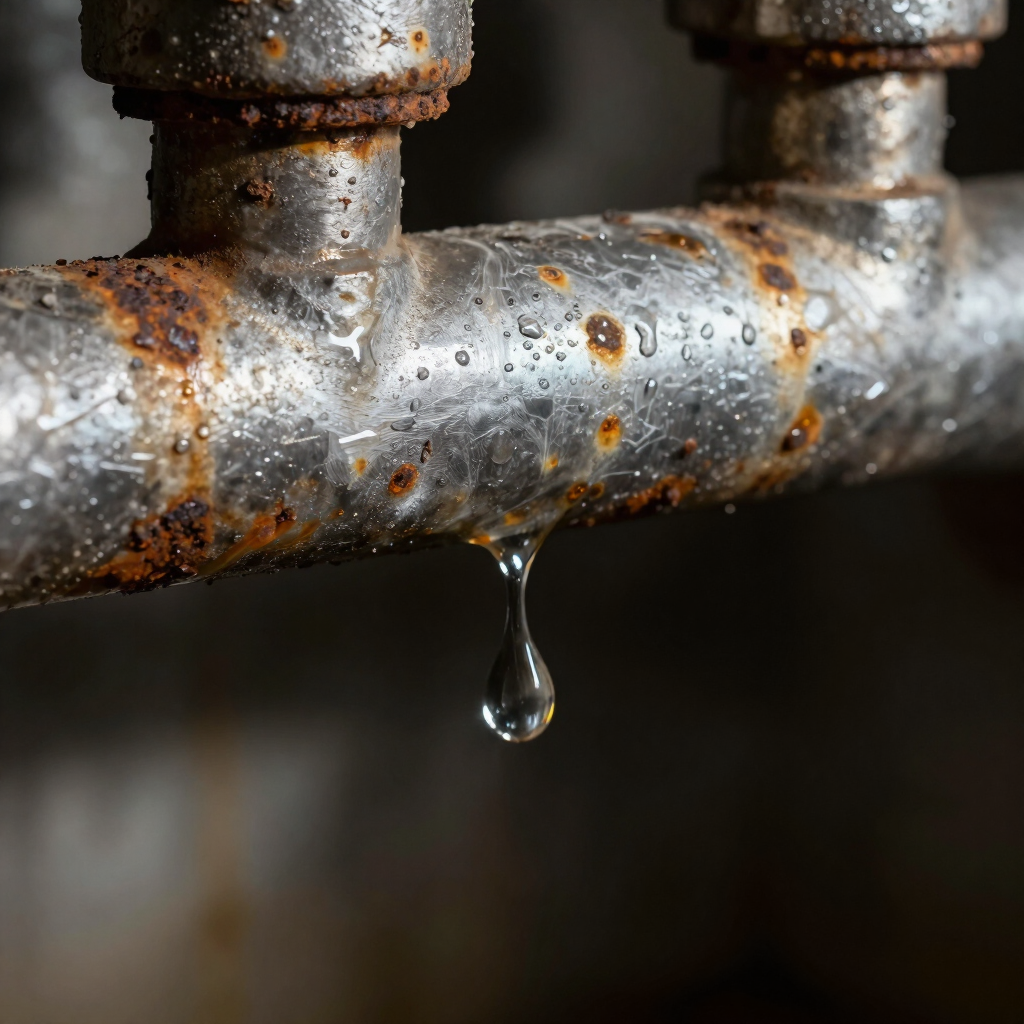
It is tempting to grab a bottle of high-strength chemical cleaner from the local hardware store, but as professionals, we strongly advise against it. These chemicals are highly caustic; they work by generating heat and a chemical reaction to dissolve organic matter. While they might clear a small path through a clog, they also eat away at your pipes—especially if you have older galvanized steel or thin PVC.
Furthermore, if the chemical cleaner fails to clear the clog, you are left with a sink or tub full of toxic, standing water. This makes the job much more dangerous for a plumber who eventually has to come in and clear it. For a safer and more effective solution, plumbing leak detection and mechanical cleaning methods like augers or hydro-jetting are far superior. These methods remove the entire blockage without introducing harmful toxins into your home's ecosystem or the local Maine groundwater.
How often should I schedule preventive drain maintenance?
For most homeowners, we recommend a professional inspection and cleaning every 18 to 24 months. However, if you live in an older home with mature trees or if you have a large family that puts significant strain on the plumbing system, an annual checkup is a wise investment. Preventive maintenance is significantly cheaper than an emergency call-out on a Sunday night when your basement is flooding.
During a maintenance visit, a technician can use camera inspection technology to see exactly what is happening inside your pipes. This allows us to catch tree roots while they are still small hair-like fibers or identify grease buildup before it turns into a solid plug. Keeping your drains clean is a fundamental part of homeownership in Maine, ensuring that your heating and plumbing systems work in harmony to keep your sanctuary comfortable all year long.
Final Takeaways for Healthy Drains
Maintaining clear drains is essential for the longevity of your home's plumbing. By recognizing the early warning signs of a clog, you can avoid costly repairs and messy backups. Remember these key points:
- Act Fast : Slow drains and gurgling sounds are early warnings; don't wait for a total backup.
- Smell Matters : Foul odors often indicate trapped organic waste or sewer gas leaks.
- Avoid Chemicals : Caustic cleaners damage your pipes and the environment; stick to professional mechanical cleaning.
- Think Locally : Maine's cold weather and root systems require specific plumbing expertise.
- Maintenance Pays : Regular inspections prevent emergencies and extend the life of your sewer lines.
If you are struggling with recurring clogs or suspect a deeper issue within your pipes, don't hesitate to reach out. Contact First Choice Plumbing and Heat Pump today to schedule a professional cleaning and ensure your home stays dry and functional through every season.