Boiler Installation: What to Expect When Replacing Systems
A professional boiler installation typically involves decommissioning your old unit, flushing the central heating system, and installing a high-efficiency replacement. This process generally takes between one and three days, ensuring your new unit meets current safety standards, manufacturer specifications, and regional Maine plumbing codes for optimal performance and safety.
How long does a typical boiler installation take?
One of the first questions homeowners ask is about the timeline. For a straightforward replacement where the new boiler is going in the same location as the old one, you can expect the job to be completed in a single day. However, if the project involves moving the boiler to a new room or converting from a traditional system to a modern combi-boiler, the process can extend to two or even three days. Factors such as upgrading gas lines, installing new flues, or integrating smart thermostats can add a few hours to the labor time.
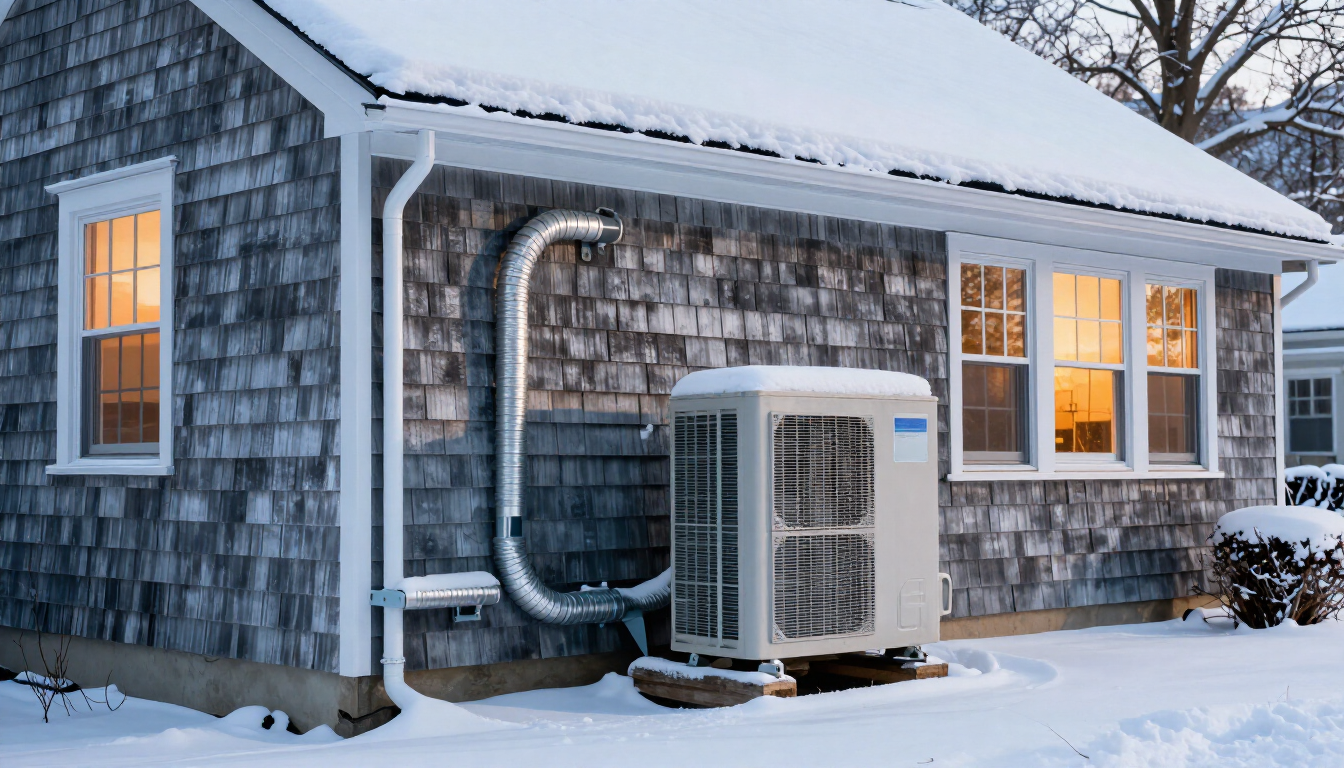
In the Fryeburg area, where winter temperatures can drop significantly, we understand that being without heat is more than an inconvenience. That is why professional teams prioritize a fast turnaround without compromising on safety. If you are dealing with a sudden failure during a cold snap, seeking Emergency Plumbing Services is the best way to get a diagnostic assessment and a plan for a speedy replacement. Planning your upgrade during the milder shoulder seasons (spring or fall) is ideal to avoid the high-demand winter rush.
Signs it is time for a boiler replacement
Knowing when to transition from repair to replacement is key to maintaining a comfortable home and managing your budget. A well-maintained boiler usually lasts between 10 and 15 years. If yours is approaching or has passed this milestone, its efficiency is likely dropping, leading to higher energy bills. Beyond age, there are several physical indicators that your system is on its last legs:
- Frequent Breakdowns: If you find yourself calling for Boiler Repair several times a year, the cumulative costs may soon exceed the price of a new unit.
- Strange Noises: Banging, whistling, or gurgling sounds (often called kettling) suggest internal scaling or mechanical failure.
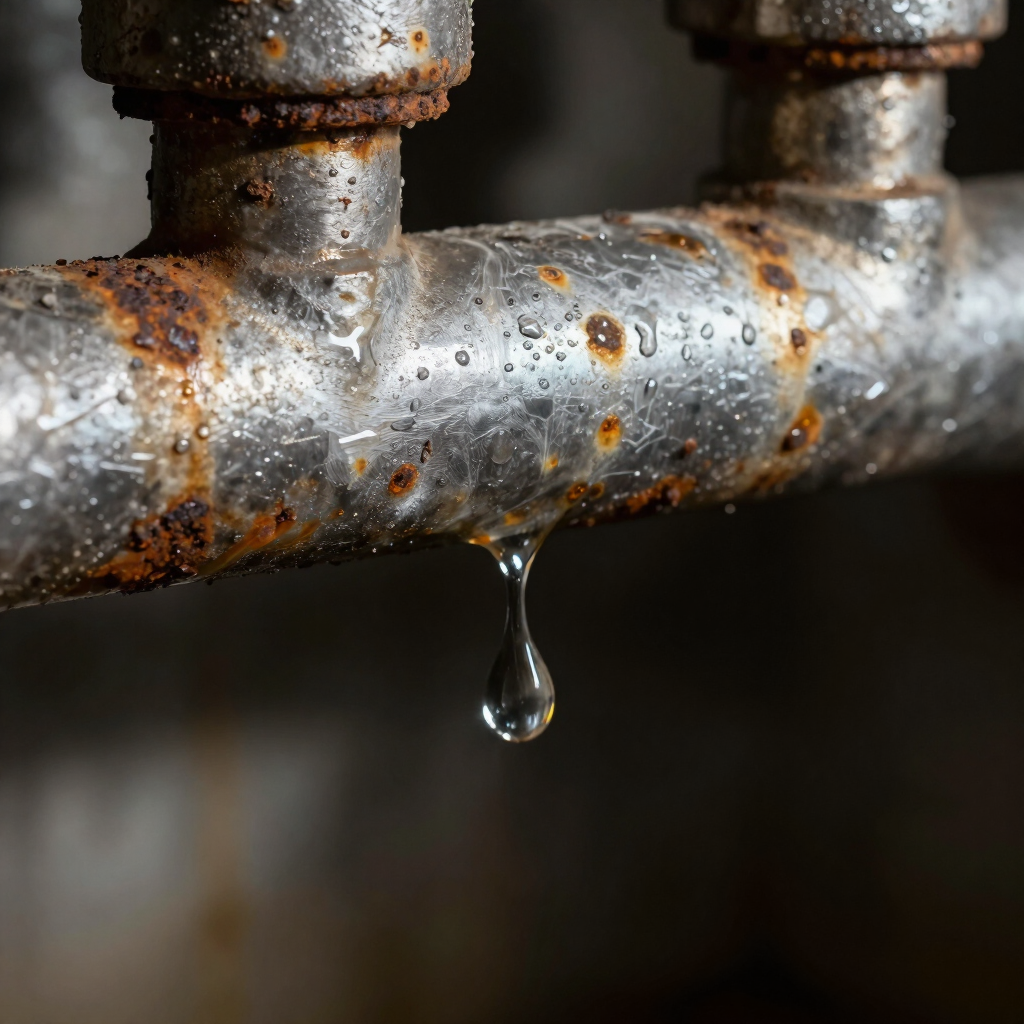
- Visible Corrosion or Leaks: Water pooling around the base or rusted components can lead to catastrophic failure if not addressed.
- Inconsistent Heating: Rooms taking longer to warm up or water not reaching the desired temperature.
- Rising Energy Bills: A sudden spike in fuel consumption often points to a loss of internal efficiency.
What happens during the boiler installation process?
The process begins with a comprehensive site survey. A licensed technician from a professional Heating service will assess your home’s heat loss, the number of radiators, and your hot water demands to size the unit correctly. Once the new system is selected, the physical installation follows a structured series of steps to ensure everything is code-compliant.
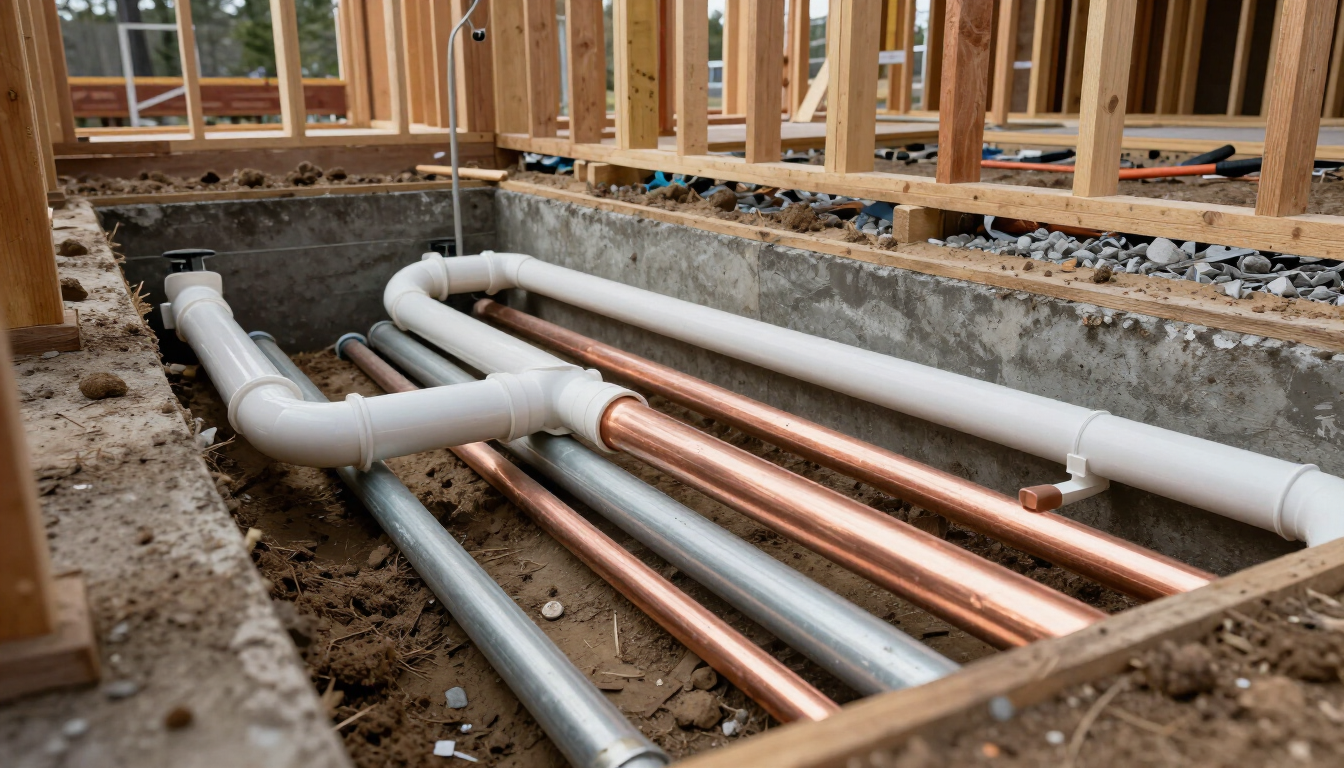
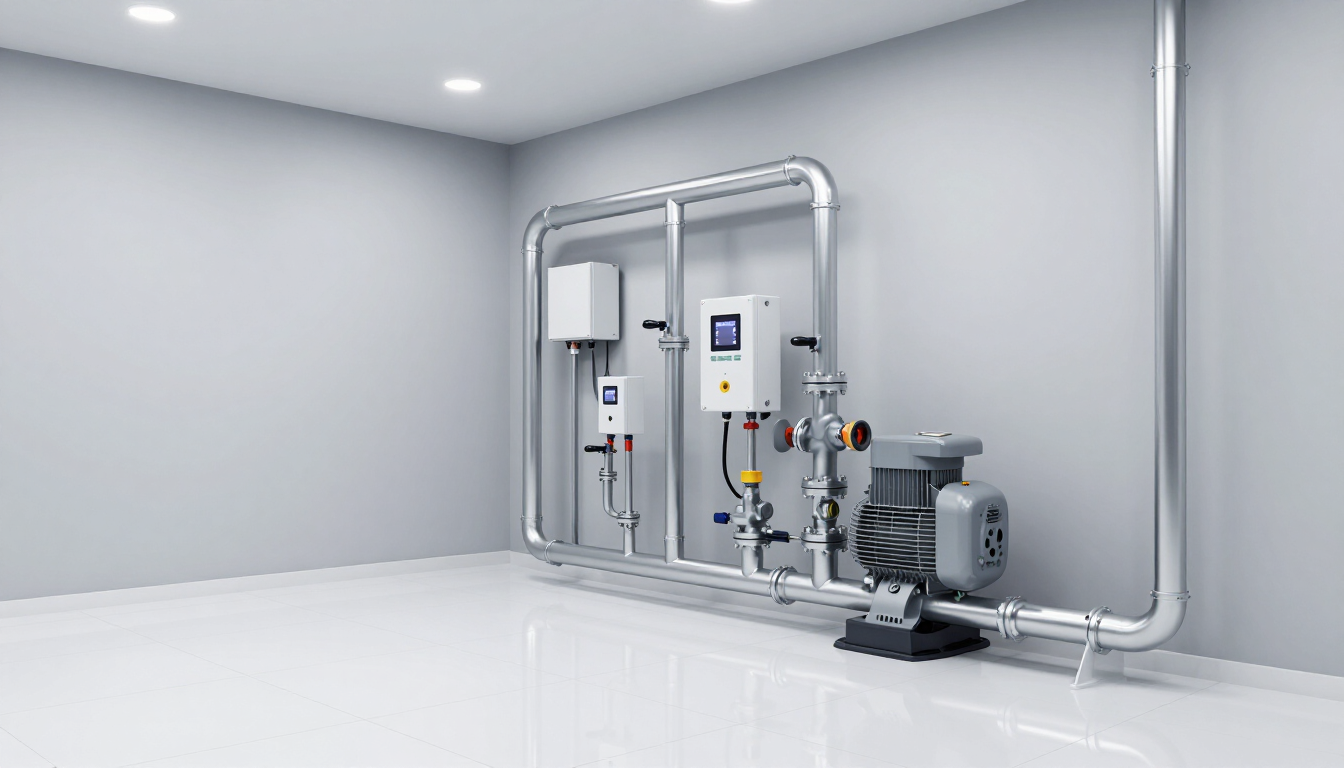
First, the team will protect your floors and work surfaces before draining the existing system. The old boiler is then disconnected and removed safely. One of the most critical steps in a high-quality Boiler Installation is the system flush. This removes sludge and debris from your pipes and radiators, preventing the new boiler from becoming clogged or damaged by old contaminants. Following the flush, the new unit is mounted, and the pipework is adjusted to match the new configuration. This includes connecting the gas supply, water lines, and the flue—the pipe that carries exhaust gases safely out of your home.
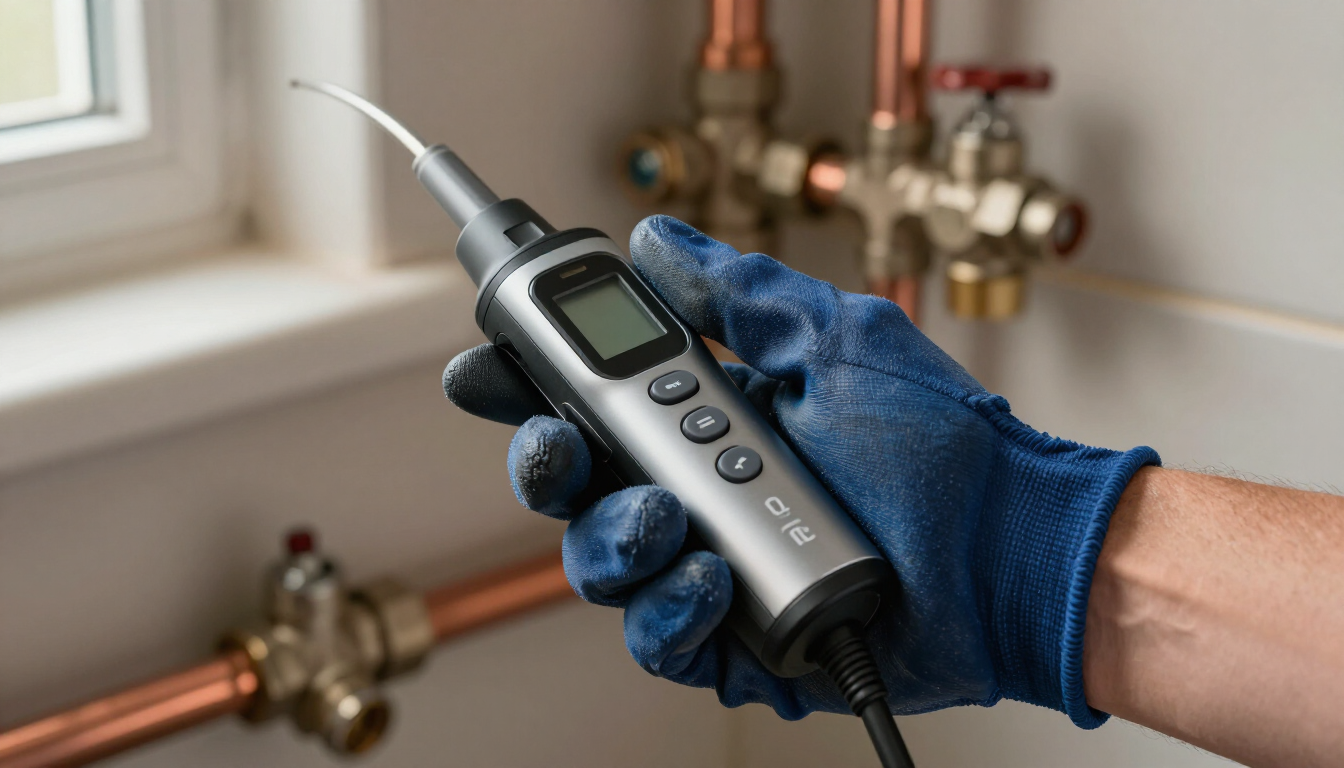
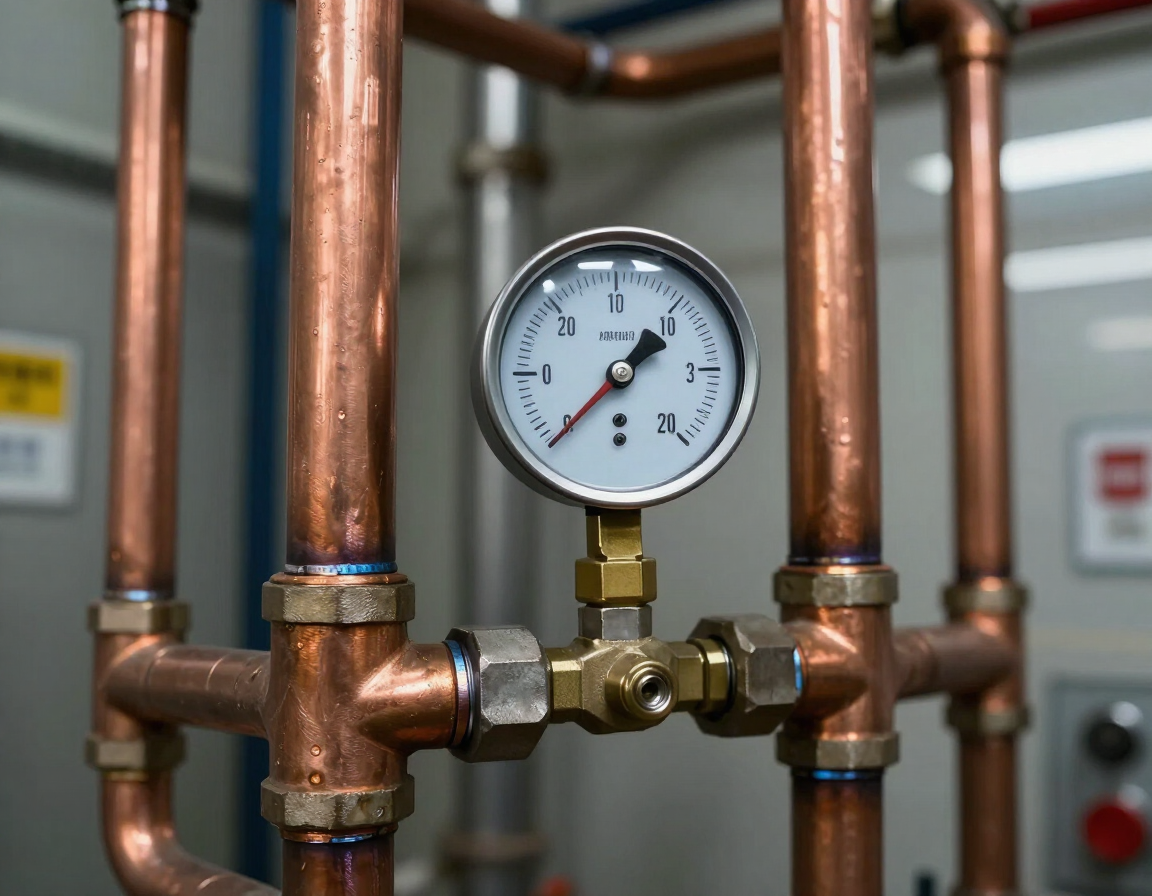
Finally, the system is filled with water and a chemical inhibitor is added to prevent future corrosion. The technician will then perform a series of tests to check for gas leaks, verify the water pressure, and ensure the flue is venting correctly. This rigorous testing phase is what differentiates a DIY attempt from a professional, safe installation that protects your family from carbon monoxide risks.
Choosing the right boiler for your home
Not all boilers are created equal, and the right choice depends heavily on your household size and usage habits. There are three main types commonly found in modern homes:
- Combi Boilers: These are compact and provide both heating and hot water directly from the unit without a storage tank. They are excellent for smaller homes with one or two bathrooms.
- System Boilers: These require a cylinder for storing hot water but do not need a tank in the loft. They are ideal for homes with multiple bathrooms where hot water is needed simultaneously.
- Regular (Conventional) Boilers: Best for older homes with traditional heating systems, these use both a storage cylinder and a water tank. They are great for high-volume hot water needs.
When evaluating your options, pay close attention to the AFUE (Annual Fuel Utilization Efficiency) rating. Modern condensing boilers often have ratings of 90% or higher, meaning 90 cents of every dollar spent on fuel is converted directly into heat. For homeowners in Maine, moving from an old 60% efficiency unit to a modern 95% unit can result in hundreds of dollars in annual savings.
How to prepare your home for the installation team?
A little preparation goes a long way in ensuring the installation is smooth and fast. Before the technicians arrive, clear the path to the boiler's location. If the boiler is in a closet, attic, or basement, remove any stored items that might hinder access. This includes moving furniture, boxes, or shelving that might be in the way of the pipework.
You should also decide on the location of your new thermostat. Modern boilers often pair with smart controls that allow you to manage your heating from a smartphone. Discussing the placement with your technician beforehand ensures the temperature readings are accurate and not influenced by drafts or direct sunlight. Lastly, make sure there is a clear parking space for the installation van, as the team will need to make several trips back and forth to carry heavy equipment and tools.
Benefits of modern energy-efficient boilers
Upgrading your heating system is an investment that pays dividends in both comfort and property value. Beyond the obvious fuel savings, modern systems operate much more quietly than older cast-iron models. You will likely notice a more consistent ambient, consistent temperature throughout the house, with fewer "cold spots" caused by inefficient cycling.
- Lower Carbon Footprint: Higher efficiency means fewer emissions, making your home more environmentally friendly.
- Smart Integration: Easily connect with home automation systems for precise scheduling.
- Warranty Protection: New units come with manufacturer warranties, often lasting 5 to 10 years, providing peace of mind against repair costs.
- Increased Property Value: A new, high-efficiency heating system is a major selling point for potential buyers.
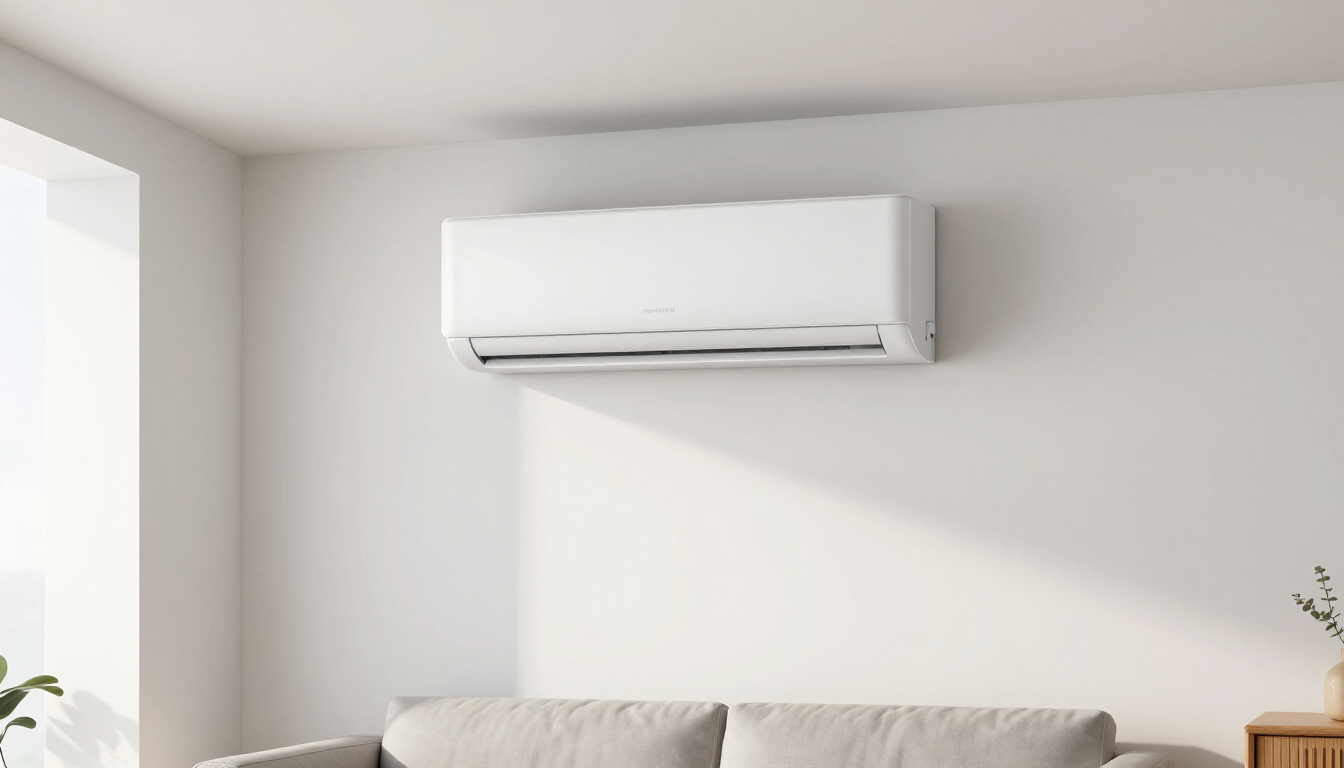
- Compact Designs: Modern wall-mounted units can free up valuable floor space in your utility room or basement.
What happens after the new boiler is installed?
Once the installation is physically complete, the job isn't quite finished. Your technician should provide a thorough walkthrough of the new system. They will show you how to operate the controls, how to check the water pressure, and what the various fault codes mean should a problem arise. You will also receive the Benchmark commissioning checklist, which is a record of the installation and a requirement for your warranty to remain valid.
It is also a good time to discuss other vital systems in your home. For example, if you have an older home, you might consider having your Drain Cleaning performed or checking for potential issues that could lead to a Burst Pipe during the same visit. A holistic approach to your home's mechanical systems ensures that a leak in one area doesn't damage your brand-new heating investment.
Maximizing your investment with maintenance
To ensure your new boiler lasts for its full expected lifespan, annual maintenance is non-negotiable. Think of it like a car; you wouldn't drive for years without an oil change. An annual service includes cleaning the heat exchanger, checking the seals, and ensuring the burner is firing correctly. This not only keeps the system running efficiently but is often a mandatory condition to keep your manufacturer's warranty active.
By keeping a regular schedule, you can catch small issues before they turn into major failures. If you ever notice a drop in pressure or a small drip, don't wait. Contacting a professional for a quick check can save you from the stress of a mid-winter breakdown. For those in rural areas using well water, it may also be wise to monitor your Water Pump Services to ensure consistent pressure is delivered to your heating system.
Summary of Boiler Installation Expectations
Replacing an old boiler is a significant home improvement project that enhances comfort and reduces energy expenses. By understanding the process—from the initial site survey and system flush to the final commissioning—you can approach the installation with confidence. Remember to choose a unit sized correctly for your home's needs and prioritize high-efficiency models to maximize your long-term return on investment.
Key Takeaways for Homeowners:
- Installation typically takes 1-3 days depending on complexity.
- A system flush is essential to protect your new investment from old debris.
- Modern condensing boilers offer significantly higher efficiency (AFUE) than older models.
- Annual maintenance is required to keep your warranty valid and the system safe.
- Clear access to the installation site helps the process move faster.
If you are ready to upgrade your home’s comfort and efficiency, Contact our local experts today for a professional consultation and a quote tailored to your Fryeburg home's unique needs.