
Mini-Split Not Heating or Cooling? 5 Fixes for 2026

October 26, 2026

Share this article

Your mini-split is likely not heating or cooling properly due to restricted airflow from dirty filters, incorrect thermostat settings, low refrigerant levels, or debris blocking the outdoor condenser unit. Addressing these common issues through regular cleaning and professional maintenance ensures your system operates efficiently and maintains consistent indoor temperatures year-round.

Why is my mini-split not heating or cooling?

When your ductless mini-split system stops providing the comfort you expect, it can be frustrating, especially during the peak of a Maine winter or a humid summer. The most common reason a mini-split is not heating or cooling effectively is a lack of basic maintenance. These systems are highly efficient, but they rely on specific airflow and pressure balances to move heat in or out of your home. If any part of that cycle is interrupted, the performance drops significantly.

In Fryeburg and the surrounding areas, we see a variety of environmental factors that impact these systems. From pollen and dust in the spring to ice and snow in the winter, your mini-split is constantly battling the elements. If you notice that the air coming from the indoor unit isn't as cold as it used to be, or the heat feels lukewarm during a cold snap, it is time to investigate. Often, the system is still running, but it is working twice as hard to achieve half the results, which leads to higher energy bills and unnecessary wear on the compressor.

Understanding the mechanics of your system is the first step toward a solution. A mini-split consists of an indoor air handler and an outdoor condenser. They are connected by a conduit housing the power cable, refrigerant tubing, and a condensate drain. A failure in any of these components—or even a simple setting error—can result in a system that refuses to reach your desired temperature. Before assuming the worst, a systematic check of the most common culprits can often save you time and money.

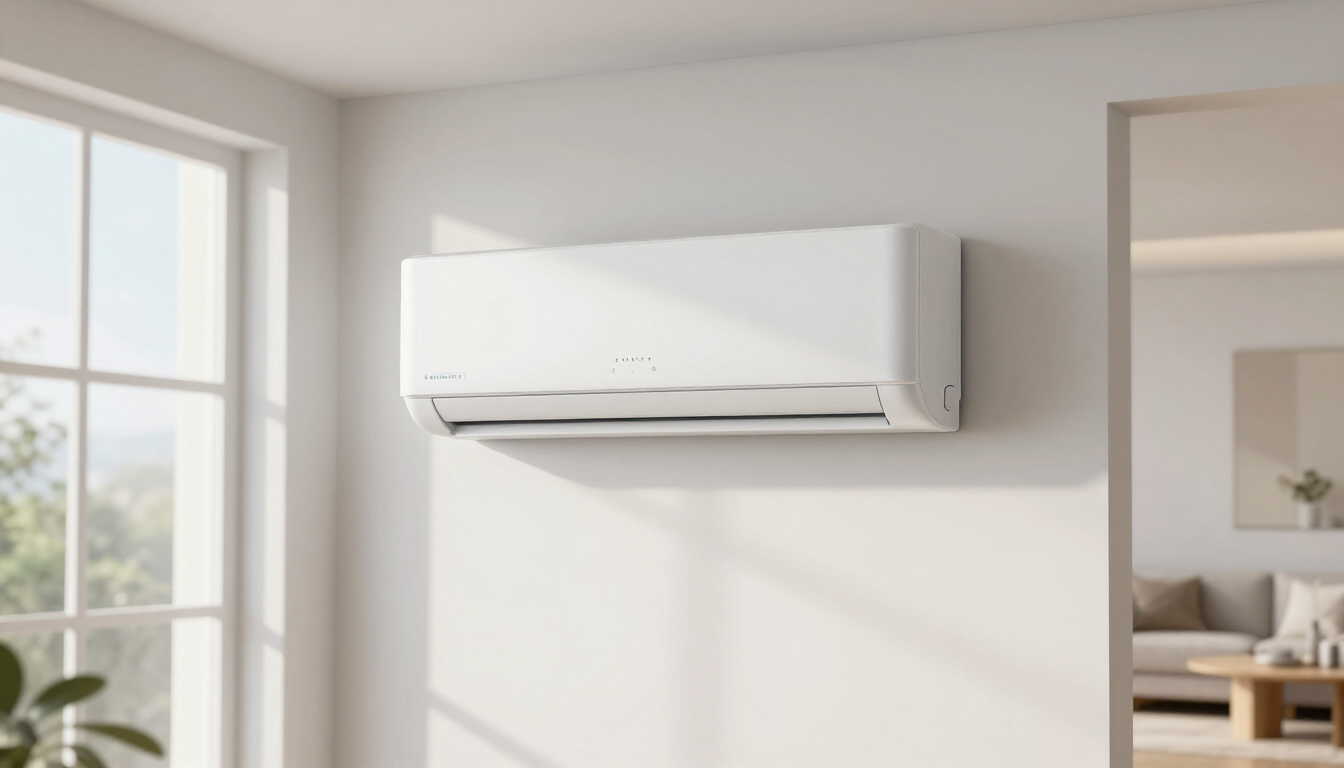
Mini split indoor unit

The Impact of Dirty Air Filters on Performance

Airflow is the lifeblood of any HVAC system, and mini-splits are particularly sensitive to blockages. The indoor unit pulls air from the room, passes it over a set of coils (evaporator coils), and pushes it back out. If the filters are clogged with dust, pet hair, or dander, the system cannot pull enough air through the unit. This leads to several problems:

  • The coils can freeze over in cooling mode.
  • The system may overheat and shut down in heating mode.
  • Short-cycling occurs as the unit tries to protect itself.
  • Uneven temperature distribution throughout the room.
  • Increased strain on the fan motor, leading to premature failure.

Cleaning your filters is a simple task that most homeowners can handle. Most manufacturers recommend checking and cleaning the filters every two to four weeks, especially if you have pets or live in a high-pollen area. Simply pop open the front panel, slide the filters out, and rinse them with lukewarm water. Ensure they are completely dry before sliding them back in. If you have neglected this for a long time, you might also need a professional Mini-Split Repair to clean the internal coils that the filters missed.

Troubleshooting Thermostat and Remote Settings

It sounds simple, but a significant number of service calls are resolved just by correcting the settings on the remote control. Mini-splits are modern pieces of technology, and their remotes can be complex. If your system isn't heating or cooling, ensure it is actually in the correct mode. Many units have an "Auto" mode that can get confused during shoulder seasons, switching between heating and cooling unnecessarily. It is generally better to manually set the unit to "Heat" or "Cool."

Another common issue is the temperature sensor. Most mini-split remotes have a feature called "I Feel" or a similar local sensing technology. If this is activated, the unit tries to reach the temperature at the location of the remote, not at the wall unit. If the remote is tucked away in a cold drawer or placed near a drafty window, the system will receive incorrect data and fail to condition the room properly. Always ensure the remote has fresh batteries and is placed in a location that represents the average temperature of the room.

In some cases, the communication between the remote and the indoor unit can be disrupted. If you press a button and don't hear a "beep" from the wall unit, the command wasn't received. Ensure there is a clear line of sight. If the unit still doesn't respond, you may need a technician to check the internal receiver board. For those in North Conway, NH or nearby Maine towns, local experts can quickly diagnose these electronic glitches that might mimic a mechanical failure.

Why is my outdoor unit blocked or frozen?

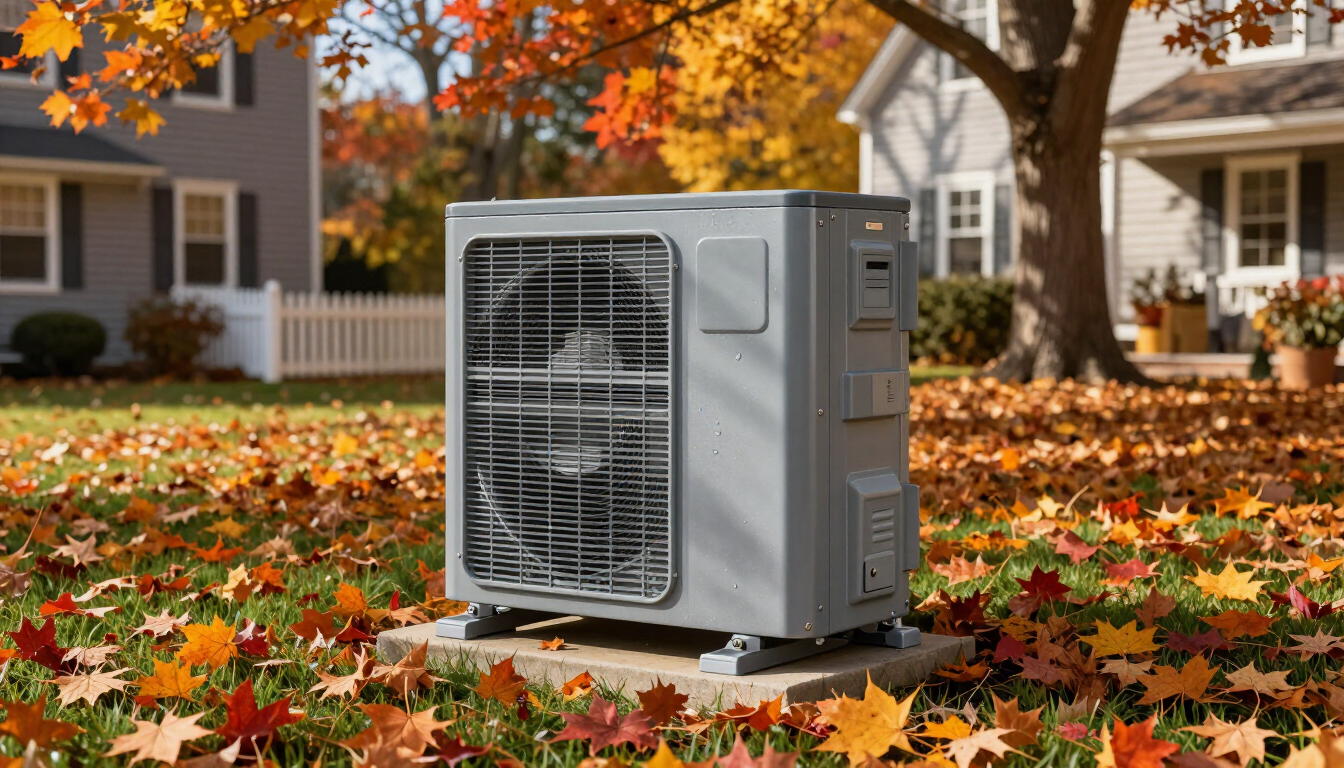
The outdoor condenser unit is responsible for the heat exchange process. In the summer, it releases heat from your home; in the winter, it extracts heat from the outside air. If this unit is obstructed, the heat exchange cannot happen efficiently. Common obstructions include:

  1. Tall grass or weeds growing into the unit.
  2. Fallen leaves or pine needles clogging the fins.
  3. Snow accumulation or ice buildup during winter storms.
  4. Fences or shrubs placed too close to the unit.
  5. Mud or debris splashed onto the coils during heavy rain.

In New England, ice buildup is a major concern. While mini-splits have a "defrost mode" designed to melt ice, extreme conditions or a malfunctioning defrost sensor can lead to a unit becoming encased in ice. If you see ice, do not try to chip it away with a shovel or sharp tool, as you could puncture the refrigerant lines. Instead, you may need a Heat Pump Repair specialist to safely thaw the unit and determine why the defrost cycle failed. Keeping a 2-foot clearance around your outdoor unit is a best practice for year-round performance.

Identifying Refrigerant Leaks and Low Levels

Your mini-split uses a specialized refrigerant to move heat. Unlike a car's gas tank, this is a closed-loop system; the refrigerant should never "run out" or need to be "topped off" under normal circumstances. If the refrigerant level is low, it means there is a leak somewhere in the lines or at the connection points. Low refrigerant is a primary cause for a mini-split not heating or cooling because there isn't enough medium to carry the thermal energy.

Signs of a refrigerant leak include a hissing or bubbling sound, ice forming on the indoor or outdoor coils even when the filters are clean, and a significant drop in performance. Identifying a leak requires specialized tools like electronic leak detectors or UV dyes. It is a job that must be handled by a licensed professional to comply with environmental regulations. If a leak is found, the technician must seal the leak before recharging the system to ensure the problem doesn't immediately return.

When to Call for Professional Mini-Split Repair

While cleaning filters and checking remote batteries are great DIY steps, many issues require the expertise of a licensed HVAC contractor. Complex electrical problems, failing compressors, or sensor issues can be dangerous to handle without training. If you have tried the basic fixes and your home is still uncomfortable, it is time to call in the experts. Professional diagnostics can identify the root cause quickly, preventing further damage to your expensive equipment.

At First Choice Plumbing and Heat Pump, we understand the nuances of ductless technology. Whether you need a simple sensor replacement or a full Mini-Split Installation for a new addition, our team is equipped with the latest tools and training. We serve homeowners throughout Fryeburg and the surrounding mountain communities, ensuring that your heating and cooling systems are always ready for the local weather extremes. Don't wait until the system fails completely; early intervention often results in much lower repair costs.

Summary of Key Takeaways

Restoring your mini-split to peak performance often involves a mix of DIY maintenance and professional oversight. By following these steps, you can ensure your home stays comfortable regardless of the season:

  • Check and clean filters every 2-4 weeks to ensure maximum airflow and prevent system freezing.
  • Verify thermostat settings and ensure the remote is in the correct mode (Heat/Cool) with fresh batteries.
  • Clear the outdoor unit of debris, snow, or vegetation to maintain proper heat exchange efficiency.
  • Monitor for signs of leaks , such as unusual noises or visible ice on the refrigerant lines.
  • Schedule annual maintenance to catch small issues before they become costly emergency repairs.

Maintaining your mini-split system is an investment in your home's comfort and your family's well-being. If you are experiencing persistent issues or need a professional eye to evaluate your system, contact a local Heating expert today. Taking action now ensures that when the next heatwave or cold front hits, your mini-split will be ready to perform.

Recent Posts

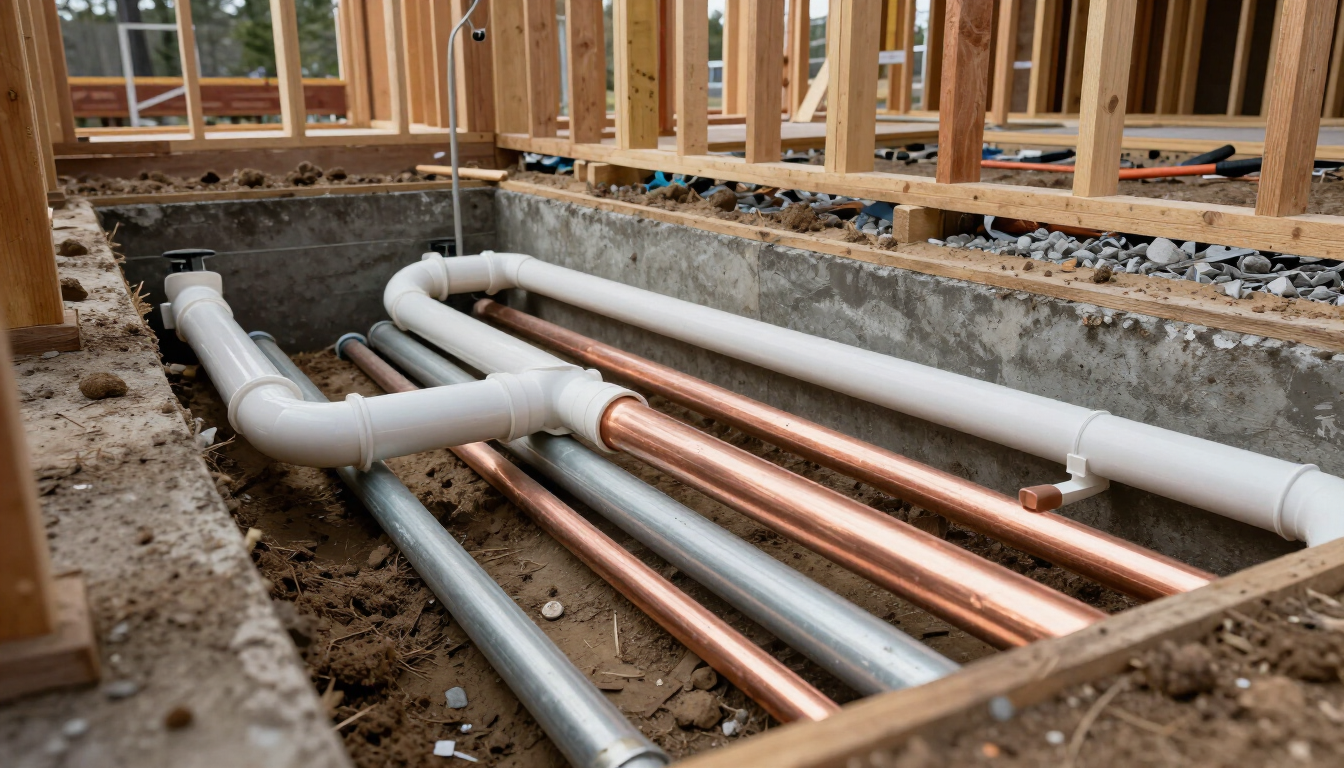
Underground plumbing pipes installed for a new construction home in Fryeburg.
October 12, 2026
Expert guide on underground plumbing for new construction in Fryeburg, ME. Learn about Maine State Plumbing Code, installation steps, and local best practices.
Professional plumber inspecting a kitchen drain in a Maine home.
September 29, 2026
Discover the top signs your Maine home needs professional drain cleaning. Learn about common clog causes, sewer line issues, and how to keep your pipes flowing.
A professional plumber inspecting a well pump system in a rural Maine home.
September 14, 2026
Deciding between well pump repair vs replacement? Learn the signs of failure, cost factors, and lifespan expectations for well systems in rural Maine.
HVAC technician performing seasonal maintenance on a home heating system.
August 31, 2026
Ensure your home stays comfortable year-round with our comprehensive HVAC maintenance checklist. Expert seasonal tips for homeowners in Conway, North Conway, and Bartlett, NH.

A traditional Maine home in Oxford County during autumn.
August 17, 2026
Identify sewer line problems in rural Maine. Learn warning signs, causes like root intrusion, and when to call a licensed Oxford County plumber.

A modern heat pump unit installed on a home in a snowy Maine landscape.
August 3, 2026
Compare efficiency and costs of heat pumps vs traditional heating in Maine. Expert advice for Fryeburg and Conway homeowners on choosing the best system for cold winters.
Emergency plumbing leak in a home requiring immediate attention
July 21, 2026
Facing a plumbing crisis? Learn when to call an emergency plumber in Oxford County, ME, how to handle burst pipes, and what to do while you wait for help.
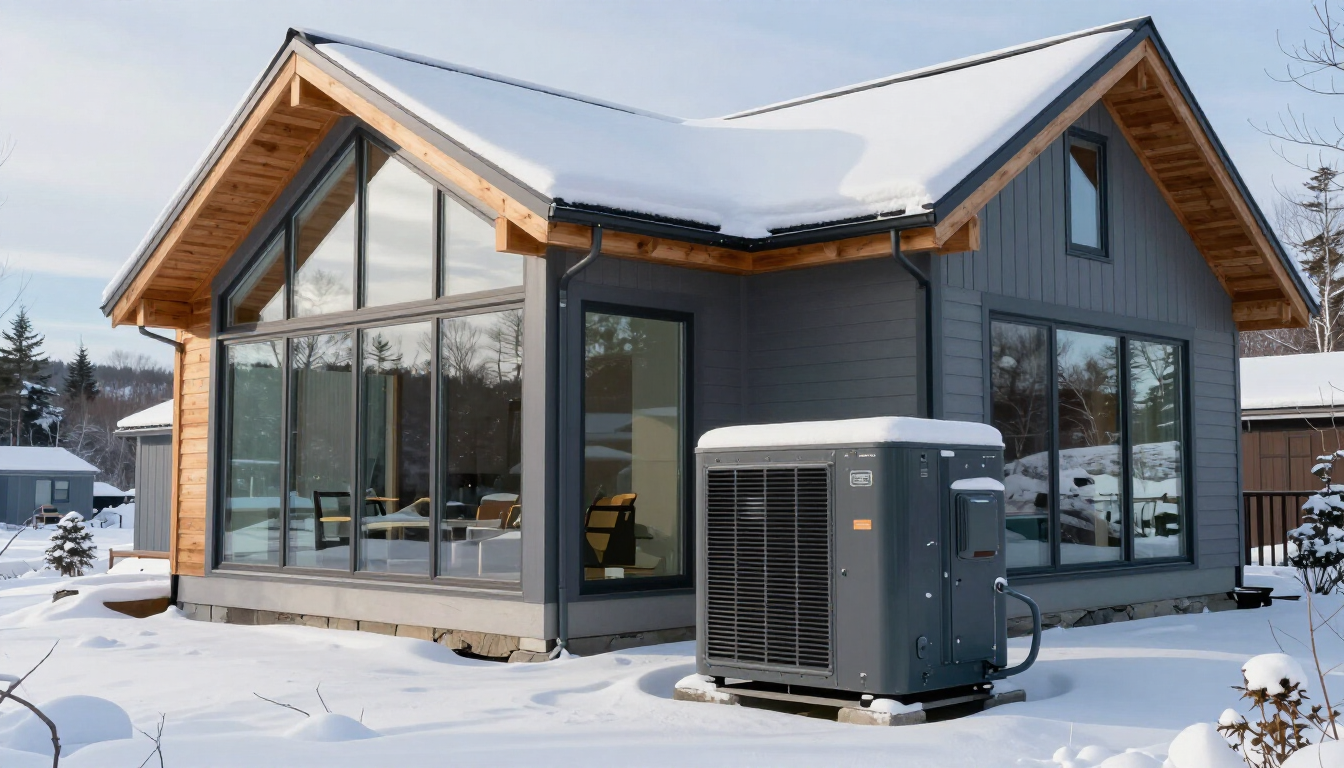
Modern residential heat pump installation in a Maine winter setting.
July 6, 2026
Discover how to maximize Maine heat pump rebates in 2026. Learn about Efficiency Maine savings, federal tax credits, and expert installation for Fryeburg homeowners.
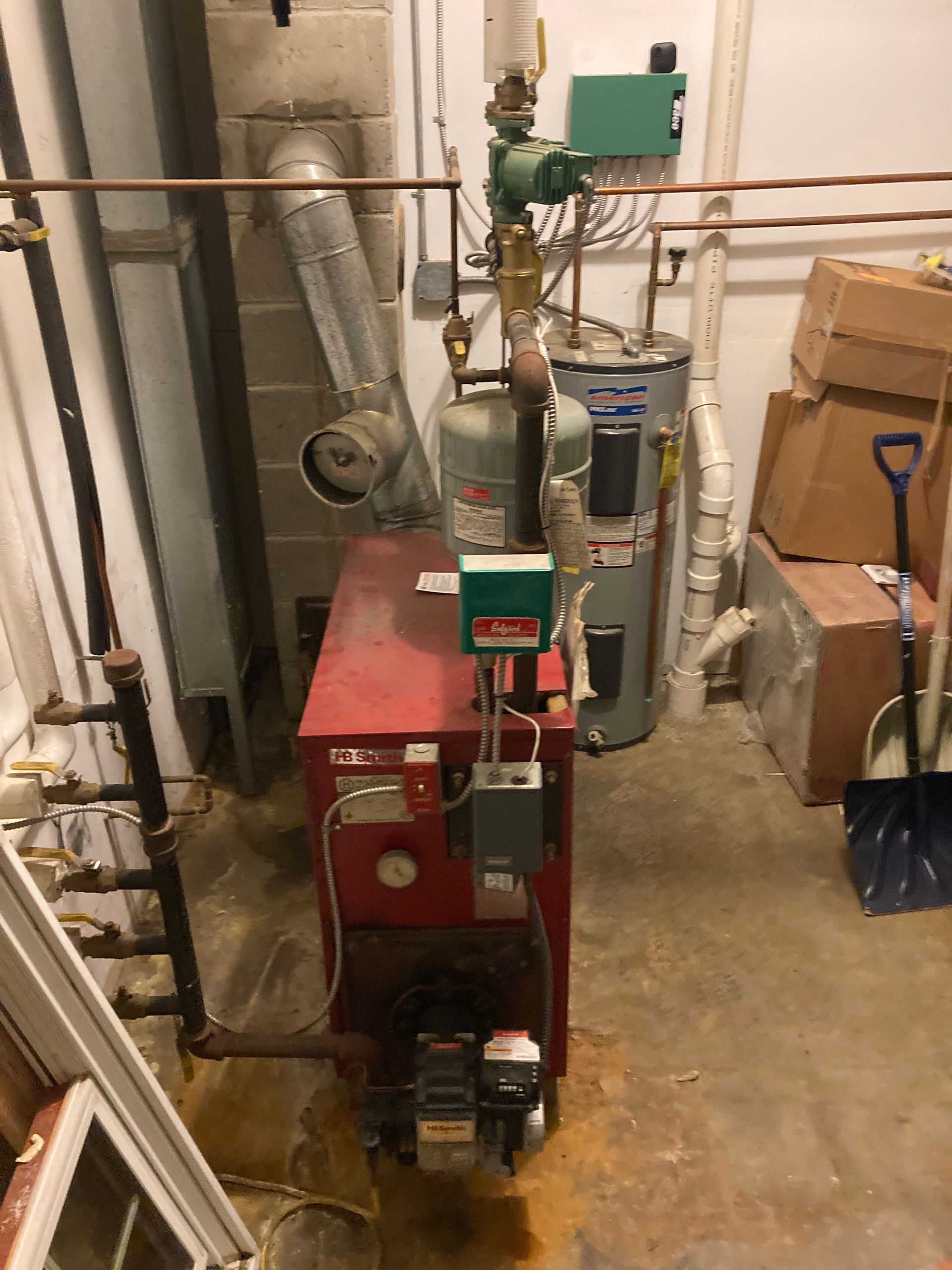
A professional residential boiler system in a home basement utility room.
June 22, 2026
Discover the top signs your boiler needs repair or replacement in Western Maine. Learn how to spot leaks, noises, and efficiency drops before the winter cold hits.

Insulated pipes in a winter home setting
June 8, 2026
Learn how to prevent frozen and burst pipes in Fryeburg, ME, and the White Mountains. Expert plumbing tips to winterize your home and avoid costly water damage.
Show More