Underground Plumbing for New Construction: 5 Tips to Win
Underground plumbing for new construction refers to the installation of drainage, waste, and vent pipes beneath a building's foundation before the concrete slab is poured. In Fryeburg, ME, this stage is critical for ensuring long-term structural integrity and compliance with the Maine State Plumbing Code and local environmental regulations.
What is underground plumbing for new construction?
Underground plumbing, often called the "groundwork" or "underslab plumbing," is the network of pipes that sits beneath your home's foundation. This system is the backbone of your property's waste management and water supply. Unlike the pipes hidden behind your walls, these are buried in soil or gravel and then covered by a thick concrete slab. Because they are inaccessible once the house is built, getting the installation right the first time is paramount.
When you are planning a build in the Fryeburg area, this phase happens after the site is cleared and the footings are poured, but before the floor is finished. It involves precise trenching, grading, and positioning of pipes to ensure that gravity does its job. If the slope is off even by a fraction of an inch, you could face decades of drain cleaning issues later on.
Why is the Maine State Plumbing Code important for new homes?
Building a home in Maine means adhering to the Maine State Plumbing Code. This isn't just bureaucratic red tape; it is a set of safety standards designed to protect your family and the local environment. In Fryeburg, where many homes rely on septic systems or have unique proximity to the Saco River, code compliance ensures that your waste is handled safely without contaminating groundwater.
Key reasons for following the code include:
- Health and Safety: Prevents sewer gases from entering your living space.
- Environmental Protection: Ensures proper waste treatment for local ecosystems.
- Property Value: Code-compliant work is essential for future home inspections and sales.
- System Longevity: Code-mandated materials are built to withstand Maine’s freeze-thaw cycles.
- Insurance Coverage: Non-compliant plumbing can lead to denied claims in the event of a failure.
Working with a licensed professional who understands these local nuances is the best way to ensure your new construction plumbing meets every legal and safety requirement.
Essential components of a robust underground system
Designing a high-quality underground system requires more than just laying pipes in the dirt. It involves a strategic layout of several critical components that work in harmony to move water and waste away from your home.
Every robust underground system should include:
- Main Waste Line: The primary artery that carries all household waste to the septic tank or sewer.
- Branch Lines: Smaller pipes that connect individual fixtures (toilets, sinks, tubs) to the main line.
- Vent Stacks: These allow air to enter the system, preventing vacuums that would stop drainage.
- Cleanouts: Access points that allow plumbers to clear blockages without digging up the floor.
- Floor Drains: Critical for basements and garages to prevent flooding from heavy rains or leaks.
How do Fryeburg soil conditions affect pipe installation?
Fryeburg is known for its diverse soil types, ranging from sandy plains to rocky terrain near the hills. These conditions play a massive role in how your underground plumbing is installed. For instance, sandy soil is excellent for drainage but requires careful trenching to prevent walls from caving in during installation. Conversely, rocky soil might require specialized machinery to reach the necessary depths.
Another local factor is the frost line. In Maine, pipes must be buried deep enough to avoid the winter freeze. If a sewer line repair is needed because a pipe cracked due to frost heave, it can be a costly and destructive process. Professional installers in the Fryeburg area will ensure that your pipes are bedded in appropriate materials—like crushed stone or sand—to allow for slight shifts in the earth without causing a rupture.
The step-by-step underground plumbing rough-in process
The "rough-in" phase is where the magic happens. It’s a meticulous process that requires coordination between your plumber, the excavator, and the foundation crew. Here is what you can expect during this stage of your new build:
- Site Survey and Marking: Plumbers use the architectural blueprints to mark exactly where every pipe needs to go.
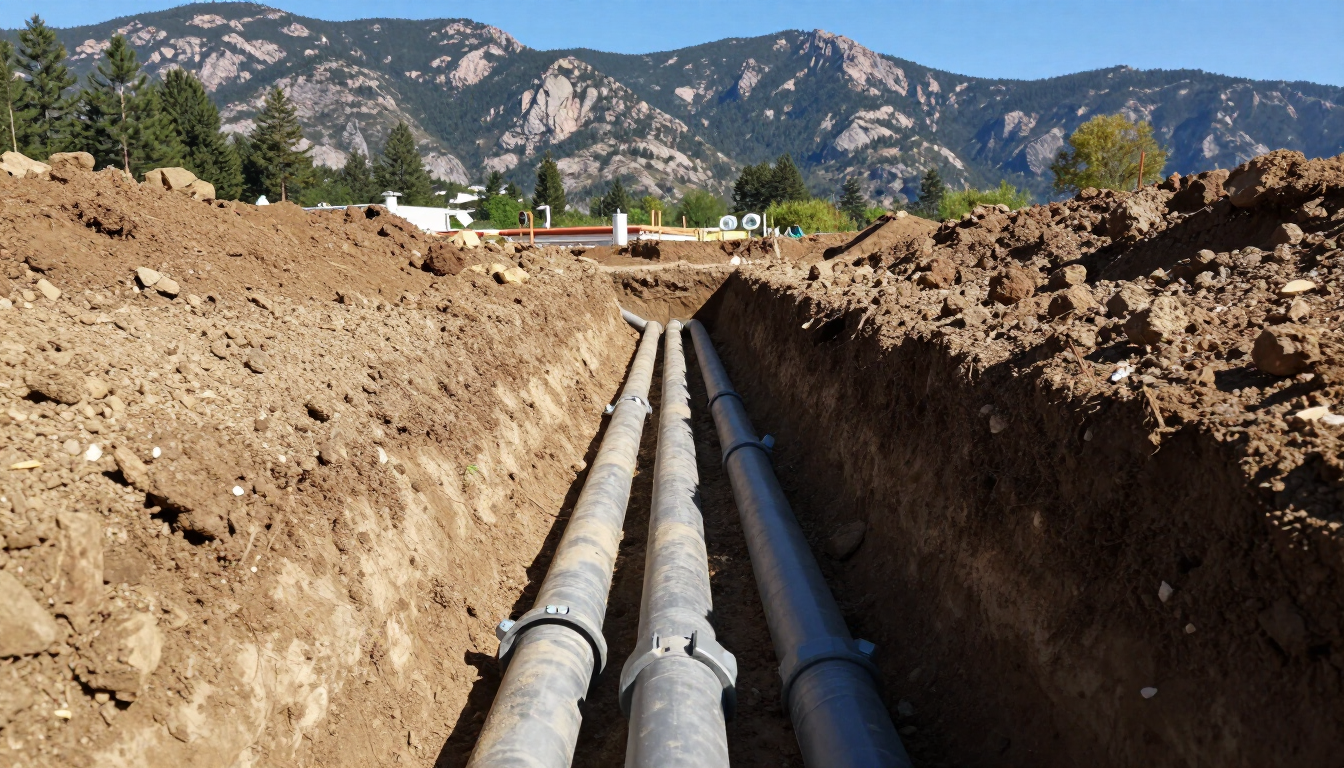
- Trenching: Excavation equipment creates paths for the pipes, maintaining a specific "pitch" (slope) for drainage.
- Pipe Laying: High-grade PVC or ABS pipes are fitted and joined according to the design plan.
- Testing: The system is capped and filled with water or air to check for leaks under pressure.
- Backfilling: Once the inspection is passed, the trenches are filled and compacted to support the slab.
This process usually takes a few days, depending on the complexity of the home. It is perhaps the most critical week in the entire construction timeline because once the concrete is poured, these pipes are effectively permanent.
What are the best materials for underground drainage?
Choosing the right materials is vital for a system that is buried beneath tons of concrete. In modern residential construction, PVC (Polyvinyl Chloride) is the gold standard for underground drainage. It is lightweight, resistant to corrosion from soil chemicals, and has smooth interior walls that prevent clogs.
However, the schedule (thickness) of the pipe matters. While Schedule 40 PVC is common, some local codes or specific site conditions might require even heavier-duty materials. Your plumbing professional will select materials that specifically resist root intrusion, which is a common cause of sewer line repair in the heavily wooded areas of Western Maine.
Avoiding costly mistakes during the foundation phase
Many homeowners try to save money by cutting corners during the underground phase, but this often leads to catastrophic expenses later. One common mistake is failing to account for future expansions. If you think you might want a bathroom in the basement ten years from now, it is infinitely cheaper to install the "rough-in" pipes now than to jackhammer the floor later.
Other mistakes to avoid include:
- Incorrect Slope: Too much slope is just as bad as too little, as liquids can outrun solids, leading to clogs.
- Poor Backfilling: If the soil isn't compacted correctly, the pipes can shift or break under the weight of the slab.
- Skipping the Test: Never allow a slab to be poured until a pressure test has confirmed there are zero leaks.
- Wrong Pipe Size: Undersized pipes cannot handle the flow of modern high-efficiency appliances.
- Ignoring the Cleanout: Skipping access points makes future maintenance nearly impossible.
How to maintain your new underground plumbing system?
Once your home is built, maintaining the underground system is mostly about what you don't do. Since you can't see the pipes, you have to be mindful of what goes down the drains. Avoid flushing anything other than toilet paper and human waste, and be cautious with grease in the kitchen.
Even with a perfect installation, it’s a good idea to have a professional inspection every few years. If you notice gurgling sounds or slow drains, don't wait. Early intervention with professional drain cleaning can prevent a minor blockage from becoming a major underslab headache. For urgent issues, having access to emergency plumbing services is essential for any Fryeburg homeowner.
Conclusion: Planning your Fryeburg build for success
Underground plumbing for new construction is the literal foundation of your home’s comfort and hygiene. In Fryeburg, ME, successfully navigating this phase requires a mix of technical precision, local knowledge, and strict adherence to the Maine State Plumbing Code. By prioritizing quality materials and professional installation, you ensure your home remains a safe and functional sanctuary for decades to come.
Key Takeaways for Homeowners:
- Get it Right Early: Fixes after the concrete slab is poured are extremely expensive.
- Follow the Code: Ensure all work meets Maine State standards for safety and resale value.
- Local Expertise Matters: Choose a team that understands Fryeburg's unique soil and frost conditions.
- Plan for the Future: Install rough-ins for future basements or additions now to save money later.
If you're ready to start your new construction project, contact us today to ensure your underground plumbing is handled with expert care.