How Ductless Mini-Split Installation Works in Fryeburg
Ductless mini-split installation in Fryeburg, ME, uses an outdoor heat-pump unit and one or more indoor air handlers to move heat into your home during winter. A properly sized system can provide efficient zone heating, improve comfort in older homes, and offer summer cooling without requiring ductwork.
How do ductless mini-splits heat homes through Maine winters?
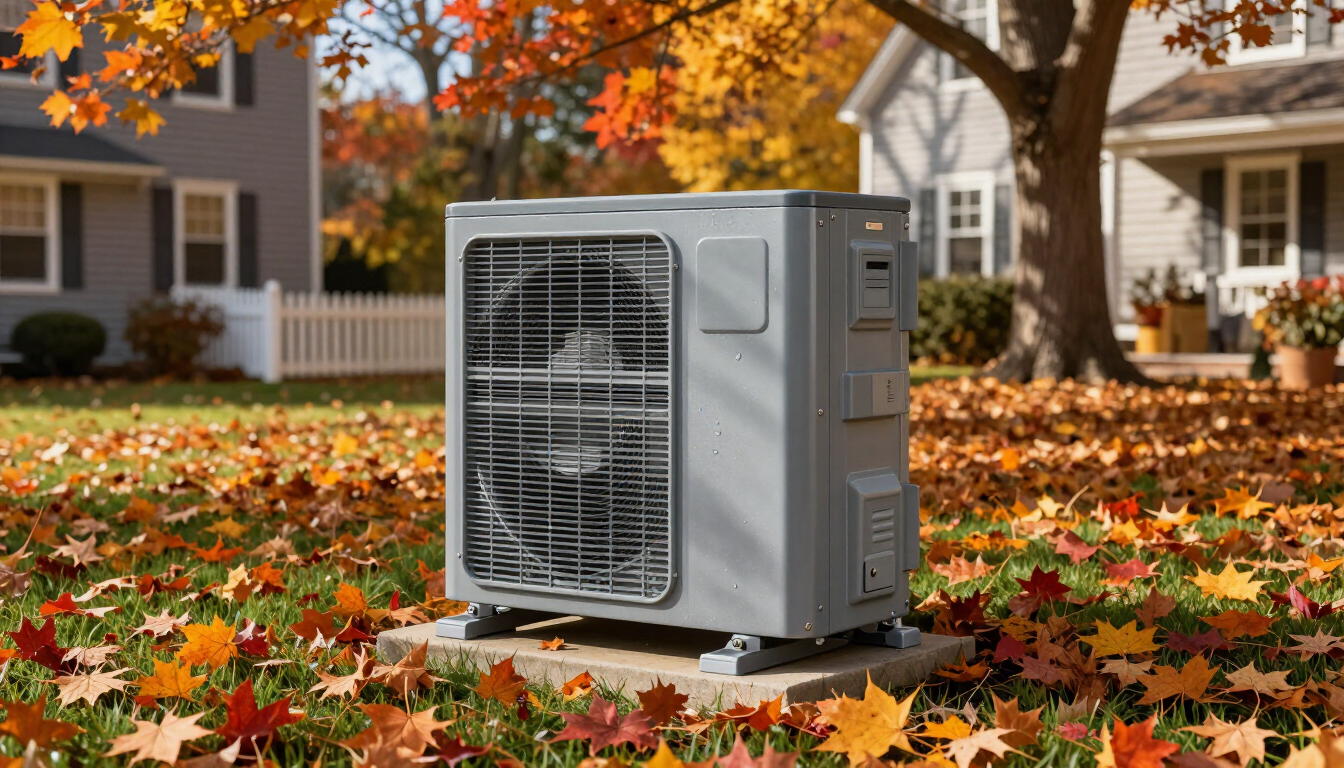
A mini-split is an air-source heat pump. Instead of creating heat by burning fuel, it transfers available heat from outdoor air into the home. Even when temperatures drop, the system can extract usable heat and deliver it through an indoor air handler.
The cycle reverses in warm weather, allowing the same equipment to provide air conditioning. Because heat is moved rather than generated, ductless systems can use energy efficiently when compared with many conventional electric-resistance systems.
A typical system includes:
- An outdoor compressor and condenser
- One or more indoor air handlers
- Refrigerant lines connecting indoor and outdoor equipment
- A thermostat or handheld control for each zone
- A condensate drain and electrical connection
Cold-climate models are designed for lower temperatures and are generally the better choice for western Maine. However, performance depends on equipment quality, correct sizing, placement, insulation, and maintenance. A professional assessment is important before choosing a system.
Is my Fryeburg home a good fit for a mini-split?
Many homes are good candidates, especially properties that lack existing ductwork or have rooms that are difficult to heat evenly. Mini-splits can work well in older homes, additions, finished rooms, seasonal properties, and houses with electric baseboard heat.
Your home may be a strong fit if:
- You want heating or cooling in specific rooms rather than the entire house
- Existing ducts are absent, undersized, or expensive to replace
- You have high-use areas that remain cold in winter
- You are building an addition or converting an attic or garage
- You want a backup or supplemental heat source
A home evaluation should consider insulation, air leakage, window quality, electrical capacity, room layout, and your current heating system. A mini-split can reduce cold spots, but it cannot correct every building-envelope problem. Sealing drafts and improving insulation may be recommended as part of a practical heating plan.
For broader heating options, compare local Heat Pump Installation services and ask how the proposed equipment will perform during typical Fryeburg cold-weather conditions.
Single-zone vs. multi-zone: which system should you choose?
A single-zone system connects one outdoor unit to one indoor air handler. It is often appropriate when you need to heat a living room, bedroom, home office, garage apartment, or addition. Single-zone systems are typically simpler and can deliver focused comfort efficiently.
A multi-zone system connects one outdoor unit to multiple indoor air handlers. It may be a better choice when several rooms need independent temperature control. Each zone can be adjusted separately, although the system must be designed carefully so the outdoor unit and indoor heads work well together.
Single-zone systems may be best when:
- One room or area is the primary concern
- You want a straightforward installation
- You are supplementing an existing boiler, furnace, or baseboard system
- Your budget favors a smaller initial project
Multi-zone systems may be best when:
- Several rooms need reliable heating and cooling
- You want independent temperature settings
- Ductwork is not practical
- You are planning a whole-home comfort strategy
More indoor heads do not automatically mean better performance. Airflow, door positions, room size, line-set routing, defrost cycles, and outdoor-unit capacity all matter. In some homes, multiple single-zone systems may provide more consistent operation than one multi-zone arrangement. An installer should explain the tradeoffs rather than recommend equipment based only on the number of rooms.
What happens during ductless mini-split installation?
A professional installation usually follows these steps:
- Home and comfort assessment: The installer reviews room sizes, insulation, windows, electrical service, current heating, and your comfort goals.
- Load and equipment planning: Equipment is selected for the home’s heating demand, climate, layout, and desired zones.
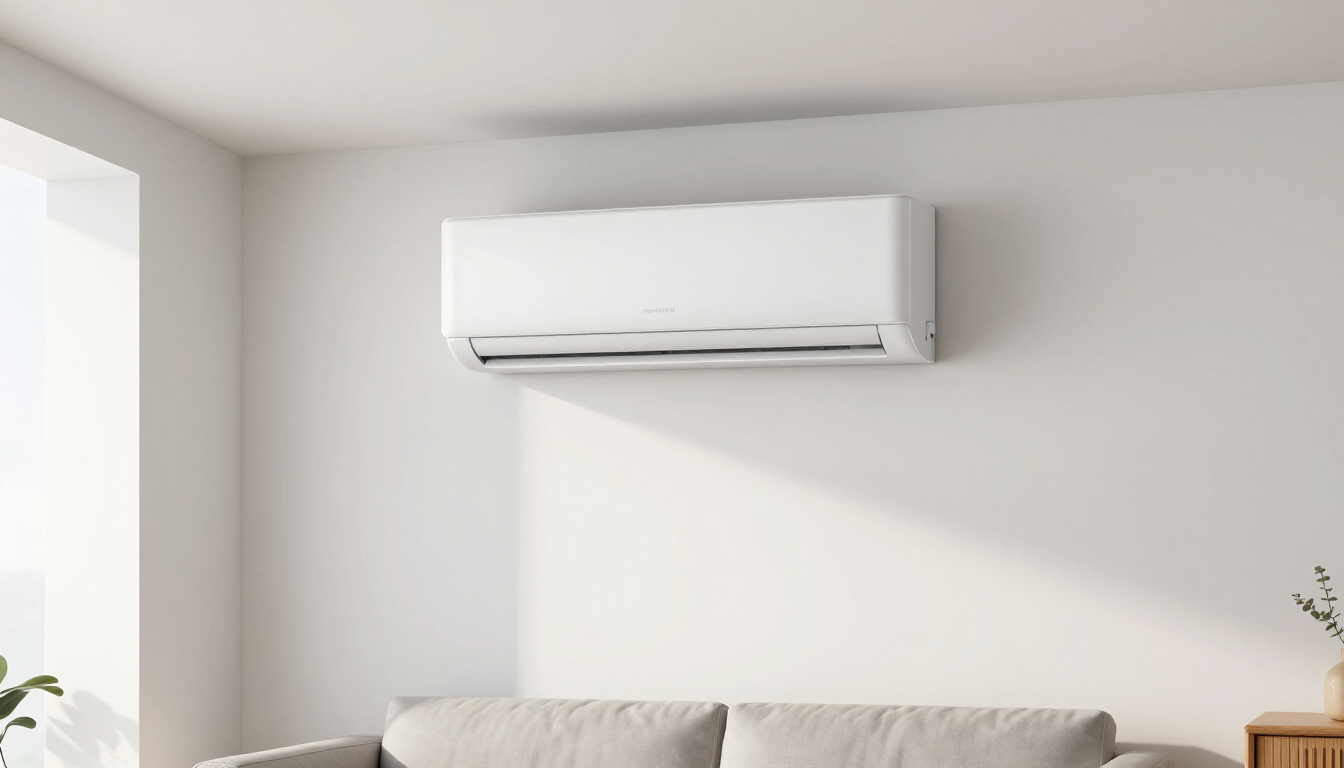
- Indoor-unit placement: Air handlers are positioned to distribute air effectively without creating drafts or interfering with furniture.
- Outdoor-unit placement: The unit needs stable support, adequate airflow, service access, and protection from snow accumulation.
- Line-set and wiring installation: Refrigerant lines, communication wiring, drainage, and electrical connections are routed and secured.
- Testing and homeowner guidance: The system is vacuum-tested, commissioned, checked for proper operation, and explained to the homeowner.
Placement is especially important in snowy Maine. The outdoor unit should not sit where drifting snow, roof runoff, or ice can block airflow. Indoor heads also need enough clearance for effective circulation and filter access.
Licensed, code-compliant work helps protect equipment performance and your home. For repairs or service after installation, see Mini-Split Repair .
Can Efficiency Maine rebates reduce installation costs?
Efficiency Maine periodically offers incentives for qualifying heat pumps and related efficiency upgrades. Eligibility, rebate amounts, equipment requirements, income rules, approved contractors, and program deadlines can change, so homeowners should confirm current information before signing a contract.
To evaluate rebate eligibility:
- Check the current Efficiency Maine heat-pump incentive information
- Confirm that the proposed model appears on the applicable qualifying list
- Ask whether the installer participates in the required program
- Keep invoices, model numbers, and installation documents
- Verify whether additional incentives apply to your household or project
Do not choose equipment solely because a rebate is available. The system still needs to be correctly sized and appropriate for your home. A lower purchase price can become expensive if the unit struggles in cold weather, cycles improperly, or does not heat the rooms you use most.
How should Fryeburg homeowners compare installation estimates?
A useful estimate should go beyond an equipment price. Ask each contractor to explain the proposed design, expected performance, warranty coverage, electrical requirements, and maintenance needs.
Compare whether the estimate includes:
- Model numbers and cold-climate performance information
- Number and location of indoor air handlers
- Outdoor-unit support and snow-clearance planning
- Electrical work, permits, line-hide, and condensate management
- Startup testing and homeowner instruction
- Labor warranty and manufacturer warranty details
Also ask what happens during a power outage, extreme cold snap, or equipment defrost cycle. Many homeowners keep an existing boiler, furnace, wood stove, or electric system as backup. A mini-split does not always need to replace every other heat source to provide meaningful savings and comfort.
If your home has water-based heating, you may also want to compare Boiler Installation before making a whole-home decision.
Maintenance and winter operation
Routine care helps a ductless heat pump operate efficiently. Homeowners should clean indoor filters according to the manufacturer’s guidance, keep supply and return areas unobstructed, and inspect the outdoor unit after major snowstorms. Never chip ice from the coil with sharp tools or block the unit with a tarp while it is operating.
Schedule professional service if you notice weak airflow, unusual sounds, repeated shutdowns, ice that does not clear, water leaks, or a sudden increase in energy use. Annual inspection can be particularly useful before the heating season, especially for systems exposed to heavy snow, wind, or salt air.
Key takeaway
Ductless mini-split installation can be a practical way to heat a Fryeburg home through Maine winters while adding efficient summer cooling. It is especially useful where ductwork is unavailable, rooms are unevenly heated, or homeowners want room-by-room control. Choose between single-zone and multi-zone equipment based on your layout, comfort goals, and budget—not simply the number of rooms. Before deciding, request a home assessment, confirm cold-climate performance, compare complete installation estimates, and check current Efficiency Maine requirements. The next step is to have a qualified installer evaluate your home and design the right system.
For help comparing heating solutions, visit Mini Splits or Contact .